How to Fade Stretch Marks After Weight Loss
It seems like a paradox: you lose weight to feel better in your skin, only to discover that stretch marks now seem more obvious than ever. This isn’t in your head; it’s a real phenomenon. The marks themselves didn’t suddenly appear. Instead, the changes in your body revealed the texture that was already there. Think of it this way: the skin that was once stretched taut now has less volume underneath it, causing the indentations to become more visible. We’ll explain the connection between skin elasticity and the appearance of stretch marks after weight loss, and provide a clear path forward with actionable steps for prevention and treatment.
Key Takeaways
- Support your skin to minimize new marks: While genetics play a big role, you can help your skin adapt to changes by losing weight gradually, staying hydrated, and moisturizing daily. These habits keep your skin pliable and more resilient against stretching.
- Weight loss reveals, it doesn’t create: Stretch marks often look more noticeable after weight loss because the skin is looser, revealing their texture. The marks were likely already there; they will fade in color on their own, but their indented texture may remain.
- Professional treatments offer the best results for texture: For a significant improvement in the indented texture and color of stretch marks, professional help is most effective. Treatments like microneedling and laser therapy work by stimulating collagen to repair and smooth the skin from the inside out.
Why Do I Have Stretch Marks?
If you have stretch marks, you’re in good company. They are incredibly common and are simply a sign that your body has changed. Understanding why they appear is the first step in figuring out how to manage them. These marks are not a reflection of your health, but rather a roadmap of your body’s journey through growth, change, and life events. Let’s look at what causes them to form.
How Your Skin Creates Them
Think of stretch marks as a type of scar that forms from the inside out. Your skin has a middle layer, called the dermis, which contains strong, elastic fibers that allow it to stretch and snap back. When your body grows or shrinks faster than these fibers can keep up, they can tear. As these tiny tears heal, they leave behind the scars we know as stretch marks. Interestingly, they often become more noticeable after you lose weight, as the skin becomes less taut, revealing the marks that formed during a period of rapid growth or weight gain.
Are They Genetic?
You can thank your parents for this one. Genetics play a significant role in whether you develop stretch marks. If your mom, dad, or siblings have them, you have a higher likelihood of getting them, too. Your genes influence your skin’s natural elasticity and its tendency to scar. Some people simply have skin that is more resilient and less prone to tearing, while others have skin that is more delicate. This is completely out of your control, so if you’re predisposed to stretch marks, know that it’s not your fault; it’s just part of your unique genetic makeup.
Other Common Causes
Besides genetics, several life events can cause your skin to stretch quickly. Rapid weight changes, both gain and loss, are a primary trigger. This is why a physician-led, comprehensive weight loss program that focuses on gradual results can be gentler on your skin. Other common causes include the rapid growth that happens during puberty, pregnancy, and even bodybuilding when muscles grow quickly. Hormonal shifts can also make you more susceptible. For example, fluctuations in hormones during pregnancy or increased levels of stress hormones can affect your skin’s elasticity and make it easier for stretch marks to form.
Why Do Stretch Marks Look Worse After Weight Loss?
It can feel frustrating to work hard to lose weight, only to find that your stretch marks seem more obvious than before. This is a common experience, and it’s not because you’ve done anything wrong. The truth is, those marks were likely already there from a time when your skin was stretched. The process of losing weight simply changes the landscape of your skin, making them more visible. Let’s look at what’s happening beneath the surface.
What Weight Loss Does to Your Skin
Think of your skin like an elastic band. When you gain weight, your skin stretches to accommodate your new shape. When you begin a comprehensive weight loss program and the volume underneath the skin decreases, the skin doesn’t always snap back perfectly. The surface area that was once smooth and taut now has less fat and tissue supporting it. This change can cause the skin to appear looser, which makes the texture and color of pre-existing stretch marks stand out more than they did before. The marks themselves haven’t gotten worse; they’ve just been revealed.
The Impact on Collagen and Elastin
So, what are stretch marks, really? They are a type of scar that forms in the dermis, the middle layer of your skin. This happens when your skin stretches or shrinks too quickly, causing the collagen and elastin fibers that support your skin to rupture. Collagen provides structure, while elastin allows your skin to stretch and return to its shape. When these fibers tear, your body’s healing process creates the scars we know as stretch marks. They didn’t form while you were losing weight. Instead, they appeared during a period of rapid growth, and the weight loss simply made the underlying damage to your skin’s support system more apparent.
Does Losing Weight Quickly Make Them More Noticeable?
Yes, the speed of your weight loss can play a role. When you lose weight very quickly, your skin has less time to adapt and retract. This sudden loss of underlying fat can result in looser skin, making the indentations of stretch marks more pronounced. Some evidence even suggests that the stress of rapid weight loss can affect your skin’s collagen. This is why a steady, physician-led approach, sometimes including weight loss medication, is often recommended. It gives your body and your skin the time needed to adjust in a healthier, more sustainable way.
Will My Stretch Marks Fade on Their Own?
The short answer is yes, most stretch marks do fade over time, but they might not disappear completely on their own. Think of them as scars. Just like any other scar, their appearance softens with time, but the underlying texture often remains. The good news is that they usually become much less noticeable.
How much they fade depends on several factors, including their color, your skin’s health, and your genetics. While you can’t always control how your skin reacts, understanding the process can help you set realistic expectations and explore ways to support your skin as it heals. Let’s look at what’s happening beneath the surface.
Red vs. White: What Do the Colors Mean?
You’ve probably noticed that stretch marks come in different colors. When they first appear, they are typically red, pink, or purple. This is because the tearing in the dermis causes inflammation and increases blood flow to the area as your body tries to repair itself. At this stage, they are considered new and are most responsive to treatments.
Over time, usually several months to a year, the blood vessels shrink and the inflammation subsides. The body replaces the damaged tissue with scar tissue, which contains less pigment. This is when stretch marks fade to a white or silvery color. These older, white stretch marks are more challenging to treat because they are essentially set-in scars.
How Age and Skin Health Affect Fading
Your skin’s natural ability to bounce back plays a huge role in how stretch marks form and fade. Younger skin tends to have more elasticity, which can make it more resilient to stretching. Factors like family history and how much your skin has to stretch also contribute.
Your overall skin health is just as important. Healthy, well-hydrated skin is more supple and better equipped to repair itself. Supporting your body with the right nutrients can make a difference in your skin’s tone and texture. For instance, certain vitamins and antioxidants can promote collagen production and overall wellness, which is why many people explore options like IV therapy to give their skin a helping hand from the inside out.
How Much Will They Fade Naturally?
Left to their own devices, most stretch marks will become significantly less obvious. The vibrant red or purple lines will eventually soften into faint, silvery marks that are closer to your natural skin tone, making them harder to see. For many people, this natural fading process is enough.
However, natural fading primarily affects the color, not always the texture. You might still notice a slight indentation or difference in the skin’s surface. If the texture or remaining appearance of your stretch marks bothers you, professional treatments can offer more significant improvement. Procedures designed for skin tightening can help address skin laxity and improve the texture left behind after weight loss.
How Can I Prevent New Stretch Marks While Losing Weight?
While you can’t always stop stretch marks from forming, you can take proactive steps to support your skin’s health and elasticity during your weight loss journey. It’s all about giving your skin the best possible chance to adapt to your body’s changes.
Why Gradual Weight Loss Is Gentler on Your Skin
Losing weight too quickly can put your skin under significant stress, making it more susceptible to tearing and forming new stretch marks. A slow and steady approach gives your skin the time it needs to adjust and retract gradually. This is why a physician-led weight loss program is so effective; it focuses on sustainable fat loss, which is much kinder to your skin. By allowing your skin to keep up with your body’s transformation, you reduce the risk of overwhelming its elastic capacity. This mindful approach not only supports your long-term health but also helps protect your skin along the way.
Daily Habits for More Elastic Skin
One of the simplest and most effective things you can do is keep your skin moisturized. Think of it as a daily dose of support for your skin’s elasticity. Look for creams and oils rich in ingredients known for their hydrating and healing properties, like hyaluronic acid, vitamin E, shea butter, or cocoa butter. Applying a quality moisturizer every day, especially after a shower when your skin is most receptive, helps keep it soft and pliable. This consistent care can make your skin more resilient and better prepared to handle the changes that come with weight loss, potentially minimizing the appearance of new marks.
The Link Between Diet, Hydration, and Your Skin
What you put into your body is just as important as what you put on it. Healthy, elastic skin starts from within. Staying well-hydrated is crucial, so aim to drink plenty of water throughout the day; around 8 to 10 glasses is a great goal. Water helps keep your skin cells plump and your skin supple. A diet rich in vitamins and nutrients that support skin health, like vitamins C, D, E, and zinc, also plays a key role. For an extra layer of support, treatments like IV therapy can deliver essential vitamins and hydration directly, ensuring your body has everything it needs for optimal skin health.
How Strength Training Supports Your Skin
When you lose weight, especially if it’s a significant amount, you can also lose muscle mass. This can contribute to looser-looking skin. Incorporating strength training into your fitness routine helps you maintain muscle mass while you lose fat. Toned muscles provide a firm foundation underneath your skin, which can help it appear tighter and smoother. This not only improves your overall body composition but also helps your skin adapt more gracefully to your new shape. Building muscle gives your skin the underlying support it needs, reducing the slack that can make stretch marks more prominent.
Can I Treat Stretch Marks at Home?
While professional treatments offer the most significant results, you’re probably wondering what you can do right now, from the comfort of your own home. The good news is that several at-home strategies can help improve the appearance of stretch marks. Consistency is your best friend here. These methods work by supporting your skin’s health, promoting collagen production, and keeping the area well-hydrated. Think of it as giving your skin the best possible environment to repair and renew itself. While you might not see the dramatic results of a clinical procedure, incorporating these habits into your daily routine can make a noticeable difference over time, especially for newer stretch marks.
Retinoids and Hyaluronic Acid: What to Know
Two of the most talked-about ingredients in skincare are retinoids and hyaluronic acid, and for good reason. Creams derived from Vitamin A, known as retinoids, work by helping to rebuild collagen in your skin. This makes them particularly effective on newer stretch marks that are still red or purple. Your dermatologist can prescribe stronger versions like tretinoin for more impact.
Hyaluronic acid is another powerhouse ingredient. Its main job is to draw moisture into the skin, which helps plump it up and can make the thinned-out skin of a stretch mark less obvious. Applying a serum or cream with hyaluronic acid can stimulate collagen and give your skin a much-needed hydration assist.
Finding the Right Moisturizing Creams and Oils
Keeping your skin deeply hydrated is one of the simplest yet most effective things you can do. When your skin is supple and moisturized, its overall texture and elasticity improve. Look for creams and oils rich in nourishing ingredients. While there’s no single magic ingredient guaranteed to erase stretch marks, many people find success with products containing vitamin E, cocoa butter, rosehip oil, or almond oil. These ingredients are excellent for keeping your skin soft and pliable. While the evidence for them completely removing stretch marks is limited, consistent moisturizing is a fundamental part of any skincare routine and supports your skin’s natural healing process.
The Benefits of Dry Brushing and Massage
Giving your skin a little extra attention through massage and dry brushing can also be beneficial. Gently massaging the affected areas with a nourishing oil, like almond or centella oil, can help improve circulation and may increase the effectiveness of the products you’re using. This simple ritual can be a relaxing way to end your day while supporting your skin. Similarly, some people incorporate dry brushing into their routine. This practice involves using a natural-bristle brush to gently exfoliate the skin. The process removes dead skin cells and can stimulate blood flow, which may help improve your skin’s overall appearance and texture over time.
Which Professional Treatments Actually Work?
If at-home creams and oils aren’t giving you the results you want, it might be time to explore professional treatments. These procedures are performed by trained experts and can make a much more noticeable difference in the texture and color of your stretch marks. While no treatment can remove stretch marks completely, these options can significantly fade their appearance and help you feel more confident in your skin.
Laser Therapy
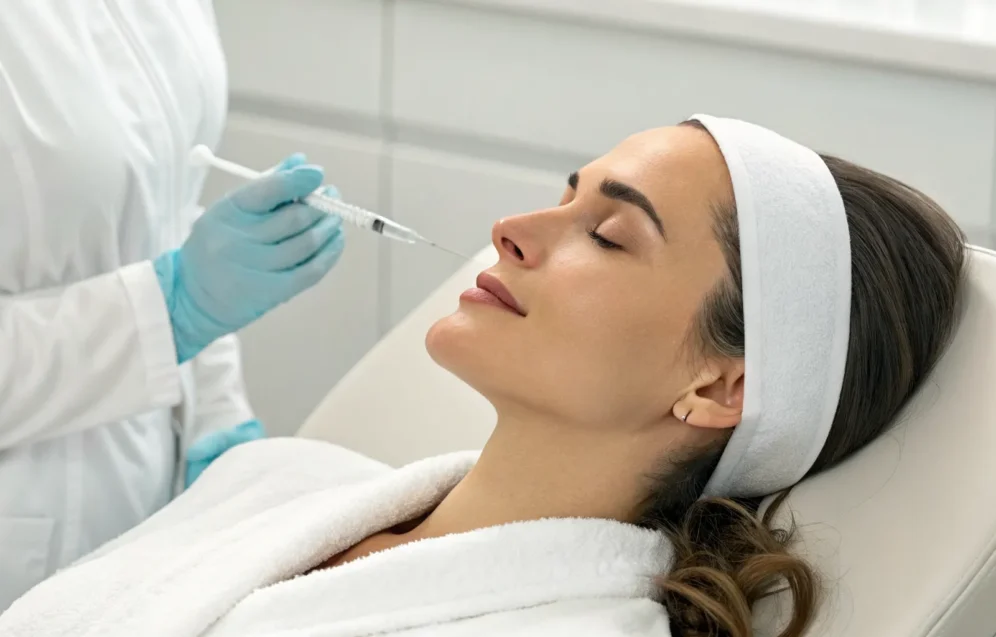
Laser therapy is one of the most effective ways to address stretch marks. This treatment uses focused beams of light to target the affected skin. The energy from the laser encourages the breakdown of scarred tissue and, more importantly, stimulates the growth of new, healthy skin cells and collagen. It’s a powerful way to repair the skin from the inside out. Different types of lasers can be used depending on whether your stretch marks are newer (red or purple) or older (white or silver). Several sessions are usually needed to achieve the best results, but many people see a major improvement in skin texture and color.
Microneedling
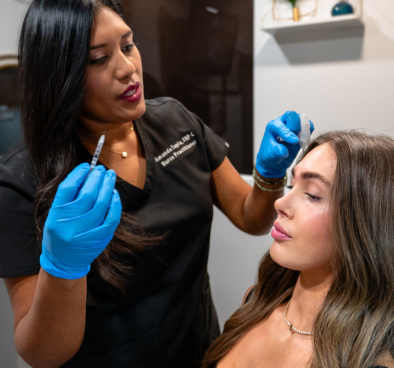
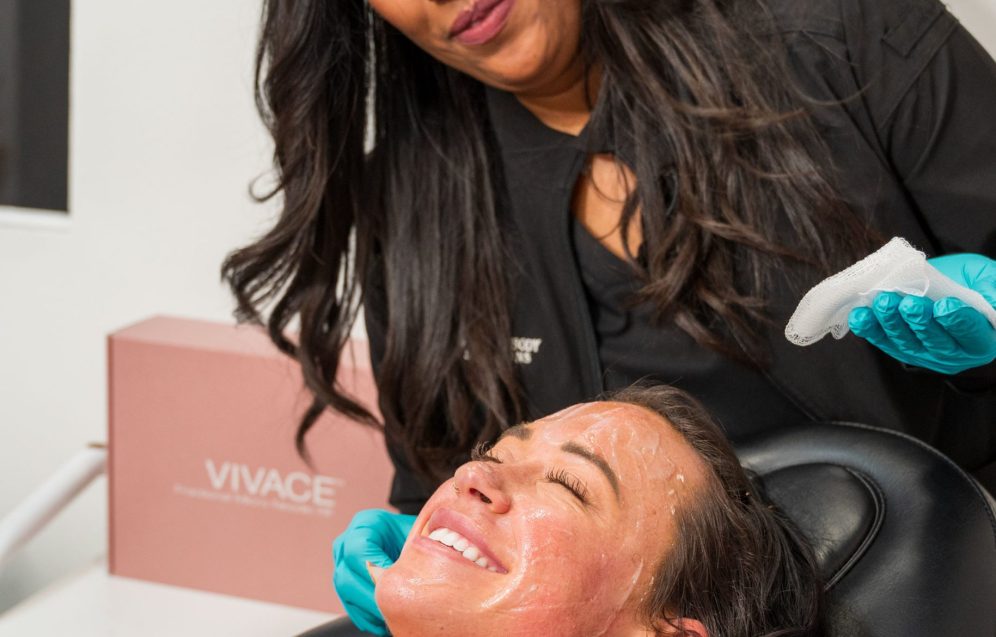
Microneedling might sound a bit intimidating, but it’s a highly popular and effective treatment for skin rejuvenation. The procedure uses a device with very fine, tiny needles to create microscopic punctures in the skin. These controlled micro-injuries trigger your body’s natural healing response, which involves a surge in collagen and elastin production. This new collagen helps to remodel the scarred tissue of the stretch mark, gradually filling it in and making the skin smoother and firmer. It’s an excellent option for improving the indented texture that often comes with stretch marks.
Microdermabrasion and Chemical Peels
Think of microdermabrasion and chemical peels as powerful forms of exfoliation. Microdermabrasion uses a special applicator to gently sand away the outermost layer of skin, revealing the smoother, more even skin underneath. A chemical peel achieves a similar result using a specialized solution that causes the top layer of dead skin to peel away. Both treatments stimulate cell turnover and can be effective for fading newer, less severe stretch marks. They are generally less intensive than laser or microneedling and often require a series of treatments to see significant changes.
Skin Tightening and Body Contouring
Sometimes, what makes stretch marks more noticeable is loose skin, especially after significant weight loss. In these cases, a treatment that tightens the skin can make a world of difference. Procedures like Endolift are designed to address skin laxity. Endolift is a minimally invasive laser treatment that works beneath the surface of the skin to stimulate collagen production and restructure the skin’s support system. By firming and tightening the surrounding area, it can smooth the skin’s surface and dramatically reduce the visibility of stretch marks. This approach tackles both skin texture and firmness at the same time.
How to Choose the Right Treatment for You
With so many options available, how do you know which one is right for you? The truth is, the best treatment depends entirely on your unique situation: the age and severity of your stretch marks, your skin type, your budget, and your ultimate goals. A treatment that works wonders for one person might not be the best fit for another. This is why a professional consultation is so important. A trained provider can assess your skin in person, listen to your concerns, and create a personalized treatment plan that will give you the best possible results as part of a comprehensive weight loss program.
Related Articles
- Stop Guessing and Start Planning: Your Clinical Roadmap After Major Weight Loss
- Treatments
- Treatment Archives
- Moisturizers
- FINE LINES & WRINKLES Archives
Frequently Asked Questions
Why do my stretch marks seem more obvious after losing weight? This is a very common experience, and it can feel discouraging. The stretch marks themselves didn’t get worse; they were likely already there from a time when your skin was stretched. When you lose weight, the layer of fat beneath the skin decreases. This can cause the skin to become a bit looser, which makes the texture and indentations of those pre-existing marks stand out more than they did when the skin was taut.
Will my stretch marks ever go away completely? Think of stretch marks as a type of scar. Just like other scars, they are permanent, but their appearance can fade significantly over time. Left on their own, new red or purple marks will eventually lighten to a silvery-white color, making them much less noticeable. While they may not disappear entirely, professional treatments can dramatically improve their texture and color, smoothing the skin and helping them blend in.
What’s the difference between treating new red stretch marks and old white ones? The color of your stretch marks tells you a lot about their age and how they might respond to treatment. Red or purple marks are new. The color comes from blood vessels and inflammation as your body is actively trying to heal the torn skin. This healing stage makes them much more receptive to treatments like topical creams and lasers. White or silver marks are older, settled scars where the inflammation has gone down. They are more challenging to treat and often require more intensive procedures, like microneedling or laser therapy, to stimulate new collagen and improve their texture.
Can I really prevent new stretch marks from forming while I lose weight? While you can’t change your genetic predisposition to stretch marks, you can absolutely take steps to support your skin’s elasticity. The most important thing is to lose weight at a slow, steady pace, which gives your skin time to adapt. You can also help by keeping your skin consistently moisturized, staying well-hydrated by drinking plenty of water, and eating a diet rich in skin-supporting nutrients. Incorporating strength training is also great, as building muscle provides a firm foundation for your skin.
Are expensive stretch mark creams actually worth the money? Some at-home creams can certainly help improve the appearance of stretch marks, especially newer ones. Products containing ingredients like retinoids (derived from vitamin A) or hyaluronic acid are your best bet. Retinoids help build collagen, while hyaluronic acid plumps the skin with hydration. However, it’s important to have realistic expectations. These creams require consistent, long-term use and will not produce the same dramatic results as a professional procedure. They are better for softening the appearance of marks rather than removing them.