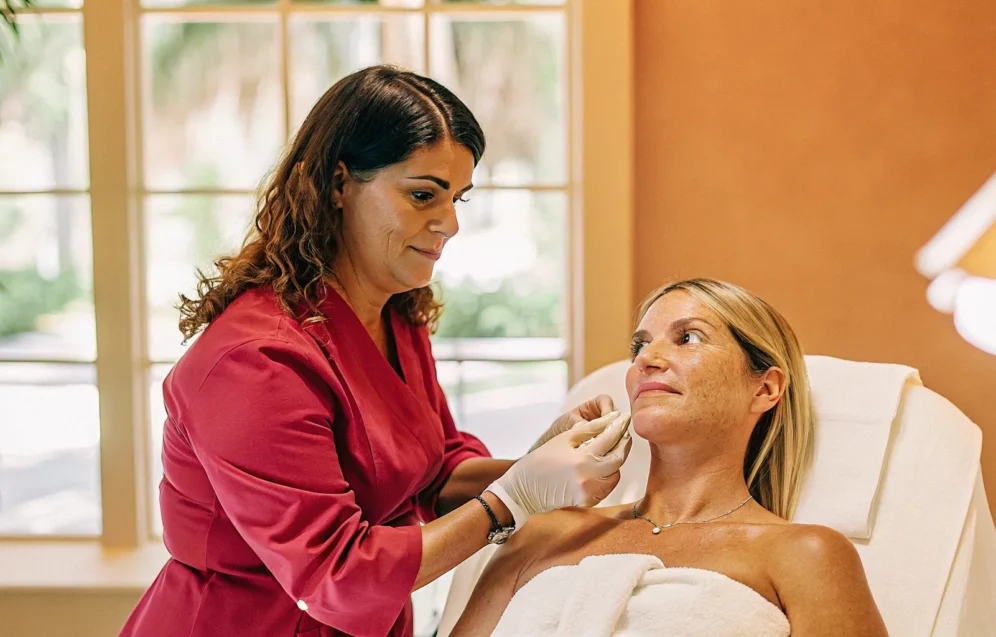
Laser Tattoo Removal Tampa: What to Ask First

Fading an old tattoo requires medical care and time to keep your skin healthy. Modern lasers allow clinicians to target unwanted ink while accounting for the surrounding skin.
Professional laser tattoo removal Tampa uses strong light to break down ink bits trapped in the skin. This medical process uses short bursts of light to shatter ink into tiny pieces that your body can then clear on its own. The Cleveland Clinic states the goal is to turn large ink spots into smaller bits for your immune system to safely remove. The number of visits varies based on factors such as the tattoo’s age, ink colors, depth, and your skin’s response. Medical teams may use comfort measures and select laser settings according to the tattoo and the patient’s skin. This guide gives you the facts you need to plan your removal.
Book a free consultation to discuss laser tattoo removal with Weight & Body Solutions.
Starting this path needs a full medical check to look at your skin and the depth of your tattoo. Our team looks at your health history and sets clear goals for your unique ink and skin type. Knowing what happens at a laser tattoo removal consultation helps you feel ready for your first treatment. The path to clear skin begins with a professional review of your specific needs.
Laser Tattoo Removal Tampa: What happens at a laser tattoo removal consultation?
A laser tattoo removal consultation is a medical intake focused on your tattoo, skin, health history, goals, and questions. The clinical team assesses factors that may influence treatment, explains the available technology and potential risks, and outlines a personalized approach without promising complete removal or a specific schedule.
Our team takes a medical view of your skin health. We do not just look at the art on your skin. We look at you as a whole patient. This focus on safety is why so many people choose us for their advanced aesthetic treatments.
Detailed tattoo and skin check
First, your expert will look at the tattoo itself. They check the size, where it is, and the colors of the ink. Some inks respond better to lasers than others. The depth of the ink also matters. Professional tattoos often sit deep in the skin. Older or home-made work might be more shallow. Per the Mayo Clinic, these traits help us pick the best laser for your needs.
We also check your skin type and health. This assessment helps the clinician account for scarring and pigment-change risks. We want to see how your skin heals and if you have any sores in the area. A deep look helps us plan laser tattoo removal service in Tampa that protect your skin.
Review of health and medical history
Your medical history plays a big role in your results. We will ask about your past health and any meds you take. Some health issues can slow down your immune system. Because the body uses the immune system to clear fragmented ink, your health history matters. Per the Cleveland Clinic, lasers break the ink into small bits so your body can carry them away.
We also talk about past skin issues. If you tend to get thick scars, we need to know. This information helps the clinician select appropriate laser settings. Safety is our top goal for every patient. We make sure you are a good fit for clinical laser and light-based therapies before we start.
Your custom care plan
Once we have all the facts, we build a roadmap for your care. Most people need more than one visit to see results. We will talk about how many sessions you might need. We also go over what to do between visits. Good aftercare helps your skin stay healthy and leads to the best outcome.
You will learn about the risks and what to expect. We do not promise that every tattoo will vanish fully. Some may only lighten a great deal. This visit gives you a clear view of your path ahead. It ensures you have the facts before you start your journey.
To prepare for your meeting, try to have these items ready:
- A list of all current medications, supplements, and vitamins.
- Photos of the tattoo from when it was first done.
- Notes on any past skin issues, scarring, or reactions.
- Details about prior tattoo removal attempts or treatments.
- A summary of recent sun exposure or tanning.
- A list of questions about the laser, risks, and aftercare.
- Questions about consultation costs and payment options.
Factors that can shape your treatment plan
Your treatment plan depends on the tattoo’s size, location, depth, age, and ink colors, along with your skin type, medical history, and healing response. A clinician also considers the laser technology available and how your skin responds after each visit before recommending any next step.
How the process works
A medical plan connects the technology, your skin assessment, and realistic goals. For professional tattoo removal care, the process starts with light energy. A laser sends fast pulses into the skin. These pulses hit the ink and break it into tiny bits. Your immune system then carries those bits away over time. This helps the tattoo fade slowly.
Most people need more than one visit to see a big change. Professional tattoos sit deep below the skin. The ink bits are too big for the body to move all at once. You may need many sessions to get the look you want. Each visit is an outpatient task done in the office. This gives the body time to heal between sessions.
Laser tool options
Providers use two main types of lasers for this work. Older Q-switched lasers use a single, strong pulse. Newer picosecond lasers are much faster. They hit the ink with more force but less heat. This can help clear the ink with fewer visits. Some tests show that patients feel less pain with faster lasers. But every skin type is different, so a pro must check your skin first.
The choice of laser often depends on the colors in your art. Some lasers work best on dark ink like black or blue. Others are better for red or orange. A full plan looks at the type of ink and how deep it sits. This helps the team pick the best tool for your skin. Using the right tools can reduce risks like skin changes or scarring.
Tattoo ink and skin factors
Dark ink is often the easiest to remove. Black and dark blue absorb laser light well. Lighter colors like green or yellow can be harder to hit. The age of the ink also matters. Older tattoos may have faded on their own. This makes them easier to clear. Newer ink stays deep in the skin and needs more care. Your plan will look at the size and color of your art.
Skin tone is also a factor in your plan. Some lasers can cause skin to lighten or darken. This is why a pro will look at your skin type before starting. They want to make sure the laser hits the ink without hurting the skin around it. In Tampa, expert care is needed to keep the skin healthy during the process.
Safety and what to expect
Laser tattoo removal carries risks and should be performed by a qualified professional. You might see some swelling, redness, or blistering after a visit. These are common signs that the skin is healing. Mayo Clinic notes that antibacterial ointment can help the skin heal faster. It is important to follow all care steps given by your provider.
You should never try to remove a tattoo at home. Home creams and tools can injure your skin. Always talk to a healthcare provider about your options, realistic goals, and risk factors before proceeding.
| Factor | Q-switched Laser | Picosecond Laser |
|---|---|---|
| Pulse Speed | Nanoseconds (billions) | Picoseconds (trillions) |
| Pain Level | Similar to a rubber band snap | Often lower pain scores |
| Healing Time | Standard care needed | May have fewer skin issues |
| Ink Colors | Best for dark inks | Works on many colors |
| Total Visits | More sessions likely | May need fewer sessions |
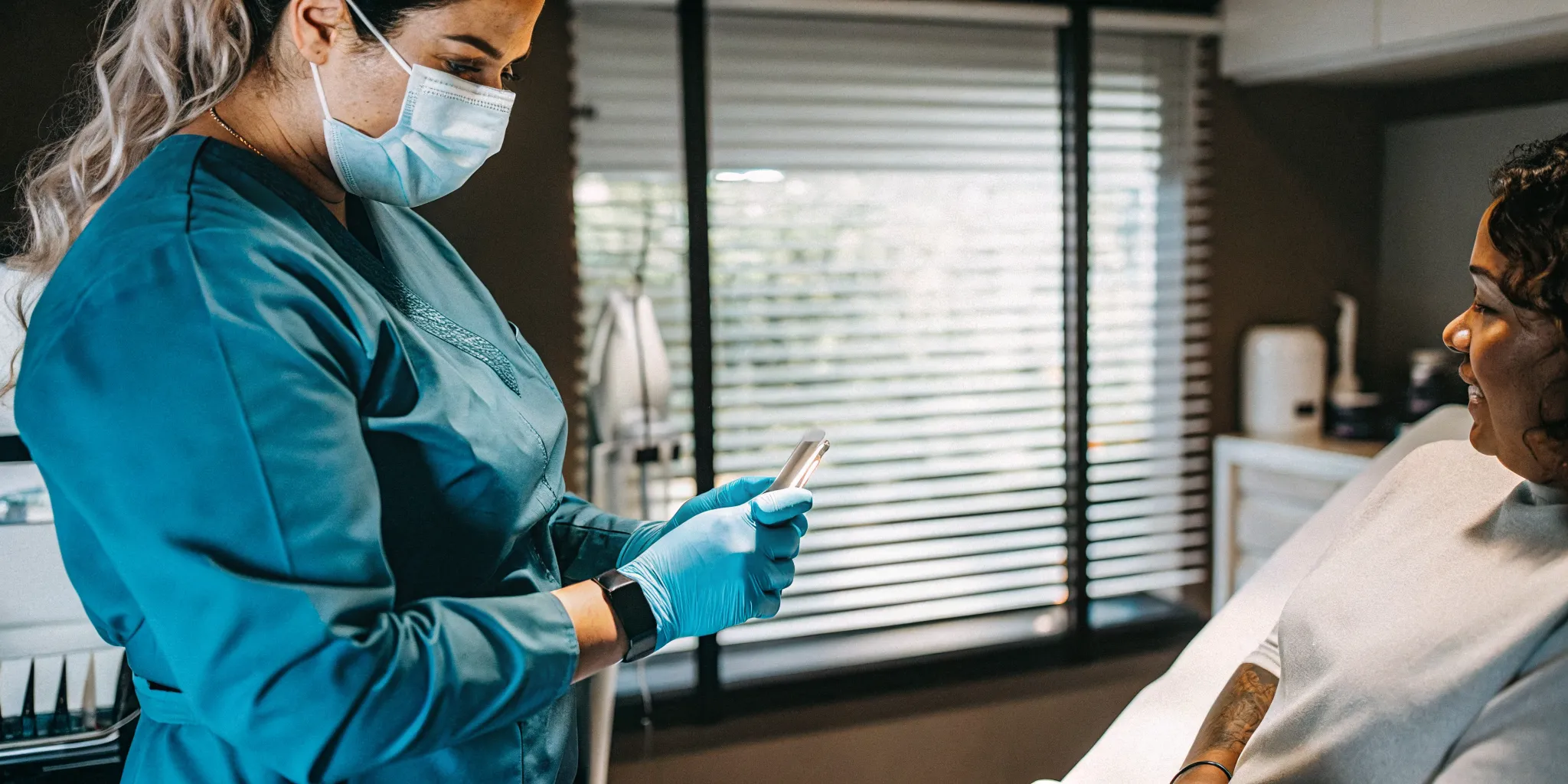
How should you evaluate a Tampa tattoo removal provider?
Evaluate a Tampa tattoo removal provider by asking about medical oversight, clinician training, the specific laser used, experience with your skin type and ink colors, and the aftercare process. A credible provider should examine your skin, explain limitations and risks clearly, and avoid guaranteeing complete removal or a fixed treatment schedule.
Check for medical oversight and expert care
Medical oversight should be central to any skin care plan. When you look for a team, ask if they have a doctor or expert on staff. Expert care helps you avoid risks like skin damage or sores. A skilled team that offers laser tattoo removal options will focus on your health. They often provide other advanced aesthetic treatments for their patients. Thoughtful preparation supports skin health before treatment. You should always consult a healthcare provider to learn about your options. They can check your skin and see if you are a good fit for the laser. This step is needed to keep your skin safe from harm. Doctors can also manage your care if you have any side effects during the process. They know how to treat things like skin changes or redness. Ask the team about their training and how long they have worked with lasers. A team with a lot of skill will know how to handle different ink types. They will also know how to keep you calm during each visit. Do not be afraid to ask for proof of their work or for patient stories. This can give you peace of mind before you start.
Ask about the specific laser technology
Not all lasers are the same. Some older tools take more time or may not work on certain ink colors. Newer tools like picosecond lasers often work better than older ones. These lasers use fast pulses of light to break up ink into tiny bits. This makes it easier for your body to clear the ink away in a natural way. Clinical trials show that picosecond lasers can beat older tools for clearing tattoos. They may also cause less pain during the treatment. If a clinic uses high-quality tools, you may need fewer visits to see results. Ask the team which clinical laser and light-based therapies they use for their patients in Tampa. The type of laser used can change how your skin feels. Some people say the laser feels like a rubber band snap. High-tech lasers can be more precise, which helps protect the skin around the tattoo. This means your skin can heal faster between your sessions. Better tech often means a better experience for you.
Review the consultation and aftercare process
A good provider will be clear about what to expect. They should tell you that removal often takes many visits. They will also talk about how to care for your skin at home. This care is a big part of getting good results. You may see swelling or redness after a visit, so you need to know how to treat it. You should get a full plan during your first meeting. A dermatologist or expert can explain which method will work best for your tattoo. They will help you know the risks and how to keep your skin safe. Be sure to ask about aftercare steps and what to do if you have questions later. They should give you clear steps to follow once you go home. Good aftercare helps your body remove the ink bits. It also stops scars from forming. Your provider should give you a list of what to do and what to avoid. This might include staying out of the sun or using a special cream. When a clinic gives you this kind of support, you know they care about your success.
How to prepare for a laser tattoo removal appointment
Prepare for a laser tattoo removal appointment by following your clinic’s instructions, protecting the treatment area from sun exposure, and sharing complete health and medication information. Arrive with clean skin and practical questions about care afterward. Contact the clinic before your visit if your skin is irritated, injured, or otherwise changed.
Talk about your skin history
Before you start, you must talk with a professional to see if you are a good fit for the work. A healthcare provider can look at your tattoo and skin type to find the best way to help you. Be sure to mention if you have had skin issues or if you tend to get scars easily. This talk helps the clinic set up a plan that fits your needs.
You also need to tell your provider about any pills or creams you use. Some drugs can make your skin more prone to light. This can affect how you react to clinical laser and light-based therapies. Do not stop taking any meds without asking a doctor first, but do share your full list during your talk.
Protect your skin from the sun
Sun protection matters before your visit for laser tattoo removal Tampa. You must avoid the sun for at least four weeks before you get treated. Sunburned or tanned skin can raise the risk of side effects like blisters or skin color changes. If you must go out, use a strong sunblock on the tattoo site to keep the skin safe and healthy.
Keep the area clean and free of any products on the day of your visit. Do not put on lotions, oils, or scents where the tattoo is. It is also wise to wear loose clothes that do not rub against the spot being treated. This makes it easier for the provider to reach the tattoo and keeps you comfy after the work is done.
Plan for the day and after
Most tattoo removal is an outpatient task that uses local anesthesia to numb the area. You might feel a snap like a rubber band, but the numbing helps a lot. Since your skin may be sore or have minor bleeding after, plan to rest when you get home. It helps to have a friend drive you if the tattoo is in a spot that might make it hard to move.
Think about your schedule, as most people need more than one visit to see real results. Since permanent ink sits deep in the skin, your body needs time between visits to clear it out. Clear your day of heavy tasks so you can focus on healing. This careful plan helps you get the best outcome from your professional laser work.
What should you ask about laser tattoo removal aftercare?
Ask your clinician how to clean and protect the treated area, which products to use or avoid, and when normal activities can resume. You should also know which skin reactions are expected and which require a call to the clinic. Follow the instructions tailored to your skin rather than generic online advice.
Prepare for your skin care
Your skin needs time to rest. The laser breaks up ink into tiny bits, and your body must clear it out. You might see swelling or blistering after the work is done. This is a normal sign that your skin is fixing itself from the heat. It shows that your immune system is working hard to remove the ink.
Do not try to fix the spot on your own. You can learn more about clinical laser and light-based therapies during your first talk with a pro. They will show you how to handle the site with care. Keeping the skin clean and dry is the first step. If you have any doubts, reach out to your team for more help.
Steps to take for better healing
A clear plan makes healing easy. Use these steps to guide your talk with your team. They will give you the exact facts you need for your own skin and tattoo type. Asking these questions will help you know what to do at every stage.
- Ask what kind of cream or balm you should use. Most experts suggest a thin layer to keep the skin moist and soft.
- Find out how long to keep the spot covered. A clean wrap helps protect it from dirt and germs.
- Check how much sun the skin can take. In a sunny place like Tampa, you must keep the site out of the light. Heat and sun can slow down your healing or cause the skin to change color.
- Learn which tasks or sports are safe. You may need to skip the gym or the pool for a few days to let the skin rest.
- Know when to call the office for help. Ask about signs like high heat that mean you need a check-up.
Plan for your next visit
Tattoo removal takes time. You should ask about the gap between each session to keep your skin safe. This gives your immune system enough time to carry away the ink bits. If you rush the work, you might hurt your skin. Your clinician will determine appropriate spacing between sessions based on healing. It gives the site a chance to fully rest and rebuild.
Each session will bring you closer to your goal. Track your progress. Talk to your doctor if you see any changes that worry you. They can adjust the plan to fit your needs. By working with a team you trust for tattoo removal care in Tampa, you can reach the results you want with less risk.
Safety considerations to discuss before treatment
Before treatment, discuss your medical history, medications, skin conditions, scarring history, sun exposure, and previous reactions with a qualified clinician. Ask about expected short-term skin responses, less common complications, eye protection, and when to seek medical advice. This conversation helps the provider assess risk and tailor the treatment approach.
Common side effects and healing
Most people will see some changes in their skin right after a session. You might notice swelling, blistering, or even light bleeding during the healing stage. These are normal signs that your body is reacting to the laser. Using an ointment as told by your provider can help your skin mend faster. After these steps, you can get the best results from Weight & Body Solutions laser tattoo removal.
Some lasers may cause fewer issues than older tools. For example, newer lasers might lower the chance of crusting or scabbing. However, skin color changes can still happen after any treatment. Your skin may temporarily look darker or lighter after treatment. Your clinical team will check your skin type to choose the best plan for you. This helps ensure your skin stays even and clear after each visit.
Long-term safety and skin health
You should never try to remove a tattoo at home. Using home removal creams is not a good idea. These products often do not work and can hurt your skin. They may cause bad rashes or sores that leave lasting marks. It is much safer to visit a clinic that offers advanced aesthetic treatments. This ensures your care is led by experts who know how to protect your skin from harm.
Every person has a unique skin story. Your provider will look at the size, age, and color of your tattoo. They will also ask about your health history. Some health conditions may affect how your skin heals, making this discussion important. A doctor can help you understand what to expect and how to stay safe through the whole process. They can also tell you how many visits you might need to reach your goal.
When to call your clinical provider
While most people heal without any trouble, you should know when to ask for help. Contact your clinic if you see signs of a skin infection. This might include red streaks, yellow crusts, or pain that gets worse over time. You should also call if you have a fever or if a blister does not close. Quick care can stop small issues from becoming big problems. Your team is ready to help you if any part of your healing feels wrong.
Following your aftercare rules is the best way to avoid these risks. Keep the area clean and out of the sun to avoid scars. Do not pick at any scabs that form on your skin. If you have any doubts about your healing, do not wait. Your clinical team is there to support you and ensure your safety at every step. They want you to have a smooth and safe path to clear skin.
Schedule a free consultation to get answers specific to your skin and tattoo.
Frequently Asked Questions
How much does laser tattoo removal cost in Tampa?
The price of laser tattoo removal in Tampa depends on factors such as tattoo size, colors, placement, and the individualized plan recommended after evaluation. Ask each provider what the quoted fee includes, whether aftercare support is included, and what payment options are available. Weight & Body Solutions can discuss pricing during your consultation.
Is laser tattoo removal painful?
Many people compare the feel of laser tattoo removal to a rubber band snapping against the skin. Others say it feels like getting the tattoo for the first time. Clinical trials found that picosecond lasers may cause less pain than older tools. Your provider can talk to you about using numbing creams or local options to keep you comfortable during the visit.
How many sessions are required for laser tattoo removal?
Most people need several sessions to see results because ink sits deep in the skin. The Cleveland Clinic says that your immune system needs time to clear the ink particles after each visit. Total removal is not always possible for every tattoo. Your provider will build a custom plan based on your ink type and skin health during your first meeting.
Are there side effects after laser tattoo removal?
It is common to see swelling, redness, or small blisters after a session. These signs show that your skin is starting to heal. The Mayo Clinic notes that more serious risks can include infection, scarring, or skin color changes. Following your aftercare guide supports healing, while promptly reporting concerning changes allows your clinical team to advise you.
Ready to discuss professional laser tattoo removal?
A consultation gives you the opportunity to understand your options before deciding whether to proceed. Weight & Body Solutions can assess your tattoo and skin, discuss relevant risks and aftercare, and answer questions about a personalized plan. The first conversation should give you practical information, not pressure or promises.
If you are considering laser tattoo removal Tampa care, take the next step with a clinical conversation focused on your skin health and goals. Ready to schedule a free consultation? Book your visit online to speak with the Tampa team.