Pellet Therapy Tampa: Questions to Ask
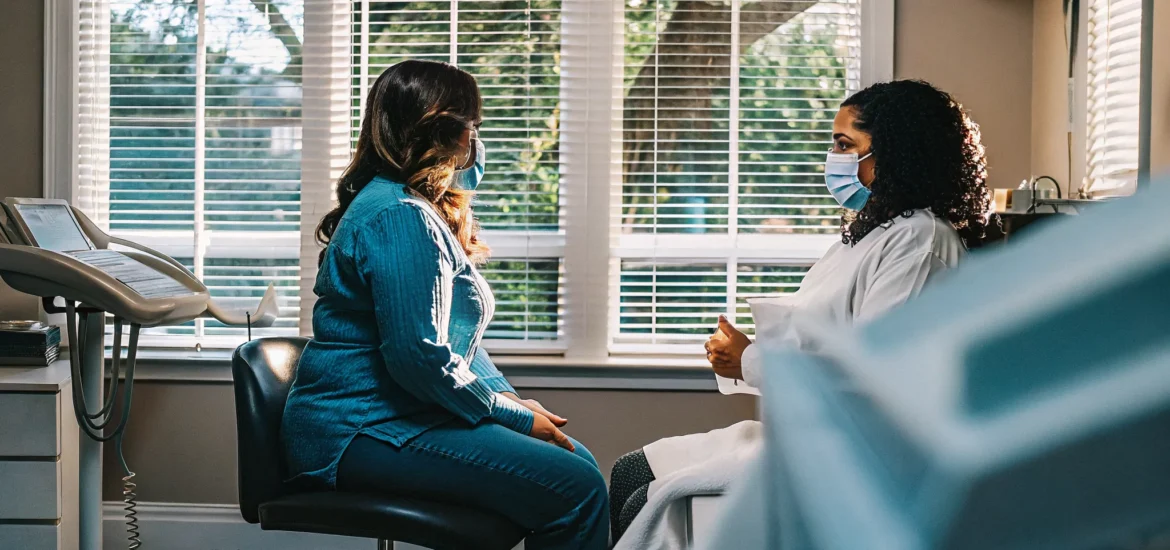
Choosing a hormone therapy approach can feel complicated, especially when every option has different tradeoffs. If you are researching pellet therapy Tampa providers, the most useful first step is a clinically careful conversation about your health history, goals, alternatives, and follow-up plan. A consultation can help you understand the options, but it does not guarantee that pellet therapy is appropriate for you.
Schedule a free consultation with Weight & Body Solutions to discuss your hormone therapy questions.
Before considering pellet therapy, ask how the provider evaluates patients, selects and explains a dose, discusses alternatives and risks, monitors response, and handles follow-up concerns. The right plan depends on an individualized evaluation rather than a standard recommendation.
Use the questions below to prepare for a focused conversation with a Tampa provider and make an informed decision about your next step.
Pellet Therapy Tampa: What should you ask before considering pellet therapy in Tampa?
Starting your path toward better health begins with clear talk between you and your doctor. When you look for pellet therapy in Tampa, you need to feel sure about the care you get. This type of treatment uses small seeds put under the skin to help balance your body. Since every person is different, the plan for your care must be unique to you.
You may have many points you want to cover during your first visit. Asking the right things helps you know what to expect from the start. It also ensures that the medical team puts your safety and goals first. Use these main questions to guide your next meeting with a health professional.
Asking about provider experience
The skill of your doctor is one of the most vital factors in your care. You should ask how many years the clinic has worked with pellet therapy options in Tampa for their patients. A team with deep roots in the area will often have a clear record of success and safety. They should be able to explain how they have helped others with needs like yours.
Experience also matters when it comes to the tiny details of the process. For example, the dose in each pellet must match your body’s specific needs for the best results. Ask if the doctor has a set way to track how patients do over time. This shows they care about your long-term wellness and not just a quick fix.
The role of clinical screening
A safe plan must start with a deep look at your current health. You should ask what kind of tests the clinic runs before they suggest any care. Most pro teams will start with blood work to see your base levels. This is a key part of evaluating your hormone health to find the best path for you.
Ask the provider how they use these test results to build your plan. You want to know that they look at the whole picture of your health, not just one number. A physician-led team will often check your heart health and other factors as well. This full view helps lower the risk of side effects and keeps you on a safe track toward your goals.
Planning for follow-up care
Pellet therapy is not a “one and done” task for your body. The seeds stay under the skin and slowly release help for about four to six months. You will need to know the next steps once the first round ends. Ask your doctor when they will test your levels again to see how you are doing. This check usually happens a few weeks after the start to make sure the dose is right.
Studies found on PubMed show that these implants have low risk when a pro handles the work. But you still need a team that will watch your progress closely. Here is a list of other questions to discuss with your provider during your visit:
- How do you decide the right dose for my specific needs?
- What are the most common side effects you see in your patients?
- How often will I need to come back for a new pellet?
- Do you offer other ways to help my health if pellets are not a fit?
- What kind of changes should I expect to feel in the first month?
Asking these things will help you feel at ease with your choice. A good clinic will take the time to answer every point in a way you can understand. This clear talk is the base of a strong bond with your medical team in Tampa.

How does a provider evaluate whether pellet therapy may fit?
Finding out if you are a good match for pellet therapy in Tampa starts with a deep talk. This first meeting is not just a quick chat. It is a key step in a plan led by a doctor to check your health. Your provider needs to know how you feel and what your body needs. They will look at many facts to see if pellet therapy options in Tampa are right for you.
Reviewing your symptoms and history
Your provider will start by asking about your daily life. They want to know if you feel tired or if your mood has changed. Many people find that their energy drops after age 30. These small changes can be signs that your hormone levels are out of balance. Sharing these details helps your team start evaluating your hormone health with care.
The team also looks at your past health records. They check for any health issues you have had in the past. This helps them find out if pellet therapy is safe for you. They will also ask about any medicines you take now. This full review makes sure that your plan fits your own health needs and goals.
Clinical lab testing and Phase 1 protocol
Blood tests are a vital part of the process. In a medical office, this is often called the Phase 1 protocol. These tests show the exact levels of hormones in your blood. This data is needed to see if you have a low level that pellets can help fix. Without these facts, it is hard to know the best way to help you.
Research on testosterone implants shows that they have been used more often lately. The study found that these implants can help people with low hormone levels. By using lab results, your provider can plan a dose that is just for you. This means your care is based on real science and not on a guess.
Screening for safety and medical fit
Safety is the key part of any medical plan. Your provider will check for any reasons why you should not use pellet therapy. Some health issues might mean that other options are better for you. They will talk to you about the risks and the perks of the plan. This open talk helps you make a choice that you feel good about.
Having a doctor watch over your care is vital. They will watch your progress at every step. They will check your levels again after four to six weeks. This checking helps your doctor adjust your plan as your body changes over time. Their goal is to keep you safe while helping you reach your health goals.
Questions about dosing, placement, and informed consent
Choosing hormone therapy is a major step for your health. Before you start, you should talk with your provider about how the treatment works. This is called informed consent. You need to know the risks and benefits of evaluating your hormone health before you begin. A clear talk helps you feel sure about your choice.
How dosing is set
Each plan for pellet therapy options in Tampa starts with lab tests. Your provider uses these results to set a dose for your needs. The dose is often made in a lab to match what your body lacks. This pellet therapy at Weight & Body Solutions ensures you get the right amount of hormones. Proper dosing is key to getting the best results over time.
The placement process
Pellets are small, often the size of a grain of rice. A provider puts them under your skin, usually in the hip area. This is a quick process done in the office with local numbing. Once in place, the pellets slowly release hormones into your body. This delivery method helps keep your levels steady for four to six months. Large studies show that these skin implants have low rates of problems when done by trained pros.
Discussion topics for your visit
Your visit is the best time to ask about the fine details of your care. You should ask how long the recovery takes and what to watch for at home. Most people can return to their daily tasks quickly after the visit. But you may need to avoid heavy lifting for a few days. Use the table below to guide your talk with your provider.
| Topic to Ask | Why It Matters |
|---|---|
| Lab work and dosing | Shows how the dose matches your blood test results. |
| Placement site care | Helps you avoid infection and ensure proper healing. |
| Side effect risks | Prepares you for any changes as your body adjusts. |
| Follow-up labs | Confirms if your levels are in the right range. |
| Custom hormones | Explains how special pellets differ from other types. |
Talk with a provider about discussing hormone optimization to see if it is right for you. We are here to help you understand every step of the path.
Book a consultation to review your questions, alternatives, and follow-up needs with our Tampa team.

What should monitoring and follow-up include?
Regular care helps you get the best results from your treatment. Your provider will set a plan to check your health and hormone levels. This keeps your care safe and helps you reach your goals. In a medical clinic like ours, we focus on safety through every step of your care. Monitoring is not just about the pellets. It is about your whole health journey.
Why is lab testing needed?
Lab tests are a key part of your follow-up plan. They show your provider how your body uses the hormones from the pellets. Most patients need blood work a few weeks after the first pellet goes in. These tests help your provider see if your levels are in the right range. Without these tests, it is hard to know if you are getting the right dose.
Your dose may need small changes based on your test results. This is a standard part of pellet therapy options in Tampa. Each person reacts to hormones in a unique way. Checking your blood helps your provider find the best dose for your specific body. It also ensures that your levels do not get too high or stay too low.
Your provider will look for specific markers in your blood. They check more than just your main hormone levels. They want to see how your liver and other organs are doing. This full view helps them keep your plan safe over many months. Doctor oversight is vital for managing these small but key details.
When do follow-up visits happen?
Your follow-up timing depends on your health needs. Many people have their first check about four to six weeks after starting. This is when your provider looks at your labs and asks how you feel. They want to see how your symptoms are changing early in the process. This first visit sets the path for the rest of your care.
Ongoing check-ups happen every few months. Since pellets often last four to six months, you will need a new set of pellets about three times a year. Your provider will tell you the exact schedule that is right for you. Steady check-ins help keep your levels even over time. They also allow for a fresh review of your health goals.
Long-term follow-up ensures the plan stays useful as you age. Your body’s needs can change over time. What worked last year might need a tweak today. By staying on a set schedule, you can catch these needs early. This active approach leads to better long-term wellness.
How are symptoms reviewed?
A big part of follow-up is talking about your symptoms. Your provider will ask about your energy, mood, and sleep. They want to hear about any changes you notice in your daily life. This talk is just as vital as the lab tests. It helps the provider understand how the treatment affects your quality of life.
You should contact the practice if you have new concerns. Do not wait for your next visit if you feel a major shift in your health. Clear talk helps your provider adjust your plan. They use this data to make sure your hormone optimization stays on track safely. They can offer advice on how to manage any new symptoms you might have.
Your provider might suggest changes to other parts of your life too. This often includes tips on diet or exercise. They want to help you reach a total state of wellness. Always keep evaluating your hormone health as you move through your plan. Your provider is there to guide you through each phase with expert care.
Which risks and side effects should you discuss?
When you start pellet therapy in Tampa, your body needs time to adapt. Mild side effects are common as your system finds a new balance. Most people notice small changes at the spot where the doctor placed the pellet. This can include slight bruising, swelling, or redness for a few days. You might also feel brief shifts in your mood or energy as your body finds its rhythm.
It is helpful to track how you feel in a daily log. Sharing these notes with your care team helps them watch your health. Most minor issues go away on their own as you continue the program. But you should always bring your questions to discuss with your provider during your follow-up visits. This helps the team keep your plan on the right track.
Knowing the health risks
Safety is the most vital part of your care. While many people see good results, no care is free of risk. A large study of over one million subcutaneous implant methods found that big problems are rare. This data shows that it is a safe way to give hormones when a doctor leads the care. These facts help patients feel sure about their choice.
The best way to lower risk is to work with a team of experts. They will look at your health past and your lab tests before you start. This helps find any health issues that make the care a poor choice. It also helps the team pick the right dose for your body. Using a dose that is too high or too low can lead to unwanted effects.
The value of frequent tracking
Your care does not end once the doctor places the pellet. To stay safe, you must have regular check-ups. You will likely need lab tests four to six weeks after you start. These tests show how your levels have changed. Using these facts, the team can plan your next dose. This keeps your care fit for your needs.
Frequent tracking helps find and fix small issues before they grow. Your levels may change over time as your health or life shifts. Staying in touch with your team keeps your care on the right track. Ongoing care is the base of a safe plan. It lets the team make quick changes if your body needs more or less of a hormone.
When to seek medical help
You should know the signs that mean you need to call your doctor. While the risk of infection is very low, you should watch the spot where the pellet was placed. Contact the office if you notice severe pain, heat, or pus at that site. A fever can also be a sign that you need a check-up. These signs are rare, but they need fast help from a pro.
You should also reach out if you have new symptoms that do not go away. This can include major changes in your mood, sleep, or heart rate. Your doctor can see if these are linked to your hormones. Never wait if you feel that something is not right with your health. Seeking help early is the best way to stay safe.
What alternatives to pellet therapy Tampa options should you compare?
When you look for pellet therapy options in Tampa, you should also learn about other ways to reach your health goals. No single tool works for every person. Your doctor will help you look at each choice to see which one fits your life and needs. This shared plan is a key part of good care. It ensures that your care matches your unique health history.
Tradeoffs matter when you pick a plan. Some ways are easy to use but need daily work. Others last a long time but need a small step at the office. By looking at every path, you can find the one that feels right for you. You should never feel rushed to make a choice. A good team will give you all the facts first.
Skin and pill choices to think about
You can use hormones in many ways other than pellets. Some people choose creams or gels. You rub these onto your skin once or twice a day. These are easy to use at home. But you must be careful. You should not touch other people or pets until the spot is dry. This stops the drug from spreading to them.
Pills are another path. You take these by mouth like any other pill. They are simple to use. But your body may break them down fast. This can lead to levels that go up and down during the day. Some people also use patches. A patch sticks to your skin for a few days. It gives a slow and steady flow of hormones through your skin.
Shots and clinical care
Shots are a common way to get your health back in line. You or your doctor can give these shots once a week or every two weeks. They give the doctor a lot of control over your dose. It is easy to change the amount of hormone you get with each shot. This makes it a good choice for people who need to change their plan often.
While pellets stay in place for four to six months, shots need more work. You have to keep a schedule. A review of data on hormone implants shows that many people like them for the steady release they provide. However, shots are a strong choice for those who want to manage their levels closely. Your doctor will help you track how you feel with each form.
The role of a watchful review
Not every person needs to start a new program right away. Sometimes, a “watch and wait” plan is the best move. In this case, your doctor keeps a close eye on your health. They will test your blood levels over several months. This helps you see if your signs change on their own. It is a safe way to track your health before you start a new drug.
This path is part of discussing hormone balance at a doctor-led clinic. Every plan starts with a full check to see what your body needs. You will talk about your energy, your sleep, and your mood. Then, you can decide if you want to start care or keep watching your levels. In Tampa, patients have many ways to reach their goals for better health. Your team is there to guide you through every step.
How to prepare for a pellet therapy consultation
Getting ready for your first visit is a key step in getting the best care. At Weight & Body Solutions, we use a doctor-led plan to help you. This visit is the start of finding the right path for your health. Being ready helps us know your needs and gives you the best start with pellet therapy Tampa. You will meet with a skilled provider to talk about your health and your future.
A good visit starts with clear info and a calm mind. We want to hear your story and what you hope to reach. Taking a few steps now can make your first talk much more helpful. This makes sure we cover all the parts of your care from the very start.
Gather your health records
You should bring any recent lab work or health records to your visit. This helps your provider see your health past over time. It also shows any past hormone levels or health shifts. Having these files ready saves time during your talk. It gives us a clear look at where you are starting.
A full health history is a must for a safe plan. We look at your past health to check for any risks or needs. This is part of our clinical protocol to ensure your safety. We want to know about any past tests you have had in the last year. These tests help us see the big picture of your wellness.
Track your daily symptoms
Think about how you feel each day before you come in. Many people feel low energy or have trouble sleeping. Some may notice mood shifts or a hard time thinking clearly. Writing these things down helps you share them with your doctor. It can be hard to remember every detail once you are in the office.
Be as clear as you can about what you feel. When did it start? Does it get worse at certain times? This data is very helpful for evaluating your hormone health. It helps us see if pellets are the right choice for you. Your daily notes can show patterns that are hard to see on their own.
Define your wellness goals
What do you hope to gain from your care? Some patients want more energy to stay active. Others hope to sleep better or feel more like themselves. Knowing your goals helps us tailor your care. We want to help you reach the results that matter most to you.
We use your goals to track your progress over time. Our team will talk with you about pellet therapy options in Tampa that fit your life. This helps us make a plan that works for your long-term health. We want your care to be a bridge to a better quality of life.
- List all current drugs and vitamins you take. Include the dose and how often you take them. This helps avoid any bad mix with your new plan.
- Write down your main health concerns. Focus on what has changed in the last few months. This keeps the talk on what matters most to you.
- Call your insurance to check your plan. Some lab tests may be covered. Pellet care is often a private cost. Knowing this early helps you plan for the cost.
- Note any questions you have for the doctor. You may want to ask about the pellet size. Ask how long they last. No question is too small for our team.
- Plan your visit time. A first visit takes about an hour to cover all the details. Give yourself enough time so you do not feel rushed during your talk.
- Think about your long-term plan. Pellet care needs check-ups every few months. Make sure this fits into your lifestyle and budget.
- Bring a friend or family member if you wish. Having an extra set of ears can help you remember all the parts. They can also help you ask questions you might miss.
Frequently Asked Questions
What is hormone pellet therapy and how does it work?
Hormone pellet therapy involves placing small, custom implants just under the skin. These pellets, often about the size of a grain of rice, release a steady stream of hormones into your system. This method provides a smooth delivery that mimics the body’s natural release. According to Weight & Body Solutions pellet therapy page, the hormones are often made from plant sources and modified to match human hormones.
How long do hormone pellets last before needing replacement?
Most hormone pellets provide a steady release of hormones for about four to six months. The exact time depends on your activity level, how fast you burn energy, and your own hormone needs. Your provider will check your levels to find the best time for your next visit. As noted by our Tampa clinical team, this slow-release system helps patients avoid the highs and lows often seen with other methods.
What should I expect during my first hormone pellet consultation in Tampa?
During your first visit, you will have a full medical check. This process includes blood tests to check your current hormone levels and health status. Your provider will look at your health history and talk about your goals to see if you can start treatment. This plan ensures your care is safe and made just for you. You can learn more about these services at Weight & Body Solutions.
How soon can I expect to feel results from pellet therapy?
Every patient is different, but many begin to notice changes within a few weeks. Your hormone levels are checked again about four to six weeks after the first visit to track your progress. This check lets your provider see how your body is doing and if you need a different dose. Regular checks help ensure your care is both safe and useful while you are on therapy.
Is physician oversight required for pellet therapy in Florida?
Yes, care from a doctor is vital for safe and useful hormone help. A trained provider must watch your care to ensure the dose is right and to check for any side effects. At a medical clinic, regular tests are used to track your health and adjust your own plan. This oversight helps keep you safe while working toward better health. You should always talk about the risks and benefits with your provider.
Ready to find the right hormone therapy in Tampa?
Choosing the right path for your health can feel like a big step when you are not sure what to expect from a new treatment. Putting off care for a hormone imbalance means more days of feeling tired and living with a low quality of life that holds you back. Starting your health review today allows our team to look at your lab tests sooner so you can begin a plan with no more delay. Taking this first step now stops the cycle of doubt and starts a clear path to reach your goals with help from our skilled team.
Ready to see if this treatment fits your health goals? Schedule a free consultation to discuss your health options and find a path forward for your wellness.