Endolift Tampa: Questions to Ask Before Treatment
Loose skin after weight loss deserves a clinical plan, not a rushed treatment decision. For Tampa patients considering Endolift, the right questions can reveal whether the procedure truly fits their goals.
Schedule a free Endolift consultation to discuss your goals and candidacy with the clinical team.
An Endolift Tampa consultation helps determine whether this minimally invasive laser treatment matches your skin-tightening goals, anatomy, health history, and recovery needs. During the visit, a qualified provider should assess laxity, discuss treatable areas, explain alternatives, and set realistic expectations for results and downtime. You should also ask who performs the procedure, which laser settings suit your tissue, what aftercare involves, and how the clinic handles complications. A research review notes that proper laser parameters matter for safety and effectiveness, making provider experience and clinical oversight important consultation topics. Your plan should reflect your needs, not a standard package, rushed timeline, or promised result that no responsible consultation can guarantee with certainty.
The procedure can tighten skin, but the consultation should determine whether it is right for you. That makes one question central: What should you ask at an Endolift Tampa consultation? Start with the questions that clarify safety, fit, realistic expectations, and your care plan. Here’s how.
What should you ask at an Endolift Tampa consultation?
Ask about candidacy, provider training, realistic outcomes, risks, recovery, alternatives, and follow-up. A thorough consultation should connect each recommendation to your anatomy, health history, and goals while giving you time to make an informed decision.
A useful Endolift Tampa consultation should be a two-way clinical discussion, not a quick sales pitch. Bring clear goals and ask how the provider will assess your skin, health history, and treatment area.
Research on Endolift notes that treatment settings and safety practices need more standard study. This makes an individual assessment and a clear explanation of the plan important. A recent review of Endolift evidence also calls for randomized studies to help standardize its use.
Your candidacy and goals
Start by naming what bothers you and what change would feel worthwhile. Ask whether Endolift fits that goal, or whether another option may offer a better match. If you are exploring several approaches, review how an Endolift laser lift compares with other non-surgical choices.
- Ask what findings make you a suitable candidate and what findings might rule out treatment.
- Ask which zones the provider would treat, why those zones matter, and whether they should be treated together.
- Ask what degree of tightening or contour change is realistic for your skin and tissue.
- Ask when changes may appear, how progress will be checked, and what may affect your response.
- Ask how the provider selects laser settings and protects nearby tissue during treatment.
- Ask what preparation, aftercare, and follow-up visits your personal plan would require.
Treatment zones and expected change
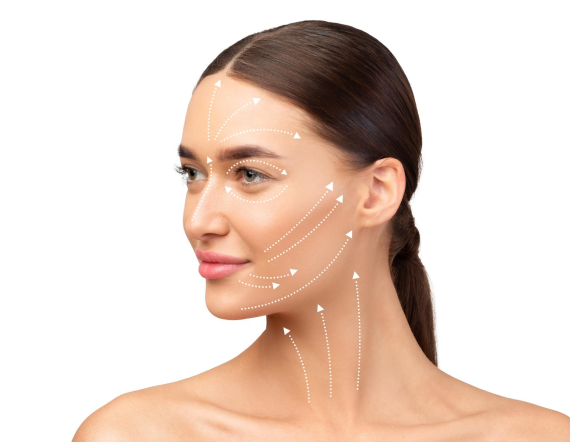
Do not assume that a broad concern has one simple treatment zone. Jawline softness, neck laxity, and fullness under the chin may call for different plans. Ask the provider to show which tissue they plan to address and explain why.
Ask for a realistic range of change rather than a promise. Your result can depend on skin quality, tissue structure, and your own healing response. For skin changes after major weight loss, a broader clinical roadmap after weight loss may help place Endolift within a staged plan.
Safety, experience, and follow-up
Ask who will perform the procedure and how often that clinician treats your proposed zones. You can also ask how the team chooses settings, handles discomfort, and responds to an unexpected reaction.
Before booking, request clear details about preparation, expected short-term effects, and follow-up. Ask whom to contact after hours and which symptoms need a prompt call. A strong consultation should leave you able to explain the proposed plan, its limits, and your next steps.
How does Endolift work for skin tightening?
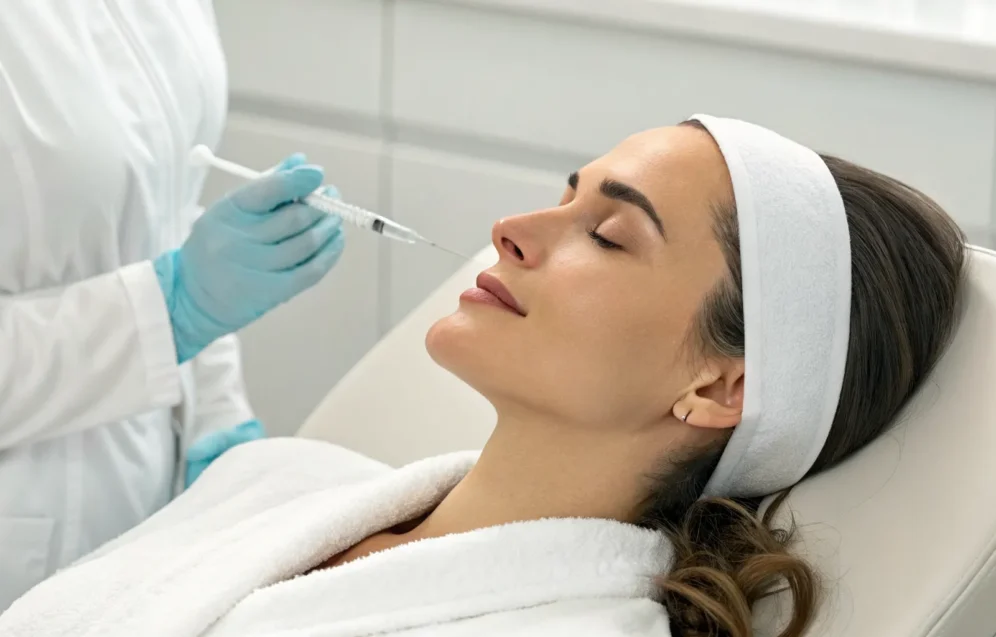
Endolift is a minimally invasive, non-surgical treatment that sends laser energy below the skin through thin optical fibers. The goal is to support tissue restructuring and a tighter look without a surgical facelift.
The fiber travels within the superficial layer beneath the skin, so the provider can treat selected areas with control. Weight & Body Solutions uses FDA-cleared laser technology for its Endolift laser lift in Tampa. The treatment plan still depends on your anatomy, skin quality, and goals.
Laser energy below the skin
Unlike a device that treats only the skin surface, Endolift places its fiber below the skin. The fiber delivers energy along a planned path while the provider guides it through the target area. This approach lets the clinician address skin laxity and contour concerns in a focused way.
The tissue response does not look the same for every patient. Changes may continue as the treated tissue responds over time, but no provider should promise a set result. If loose skin followed major weight loss, ask how Endolift fits into a broader clinical roadmap after major weight loss.
Why treatment settings matter
Laser settings, fiber placement, and the treatment path all shape how energy reaches the tissue. A 2025 review of Endolift evidence called for randomized studies to improve treatment standards and safety. It also examined device settings, results, and adverse events.
That evidence makes provider judgment important. During an Endolift Tampa consultation, ask who performs the treatment and how that person was trained. Also ask how the provider chooses settings, monitors tissue response, and plans care for your treatment area.
Questions to ask before treatment
A clear consultation should connect the treatment method to your needs, not just describe the laser. The provider should explain which layer is treated, where the fiber will travel, and why the proposed area is suitable. Ask what signs they watch during treatment and how they reduce avoidable risk.
- What skin or contour concern are you treating?
- How will you select the laser settings and fiber path?
- What results are realistic for my skin and anatomy?
- What side effects, limits, and aftercare should I expect?
- What alternatives should I consider before choosing Endolift?
These questions help separate the treatment’s general mechanism from the plan made for you. They also give you a sound basis for comparing Endolift with other skin-tightening options.
How should you evaluate an Endolift provider?
Choosing an Endolift Tampa provider starts with more than comparing prices or social media photos. Since Endolift places laser energy beneath the skin, provider skill and clinical judgment should guide your choice.
Training, experience, and medical oversight
Ask who will perform the procedure, what clinical license that person holds, and where they received Endolift training. Then ask how often they treat your target area. Experience with jawlines does not always show the same skill needed for larger body areas.
Find out who provides medical oversight and who can help if a concern develops. A sound clinic should clearly explain the care team’s roles, safety steps, and plan for handling an unexpected response.
Device settings also matter. A research review of Endolift safety and treatment settings called for randomized studies to improve standardization and protect patient safety. A careful provider should explain how treatment settings are chosen for your skin, tissue, and goals.
A candidacy-focused consultation
A useful consultation is an assessment, not a sales pitch. The provider should review your health history, medications, prior procedures, healing concerns, and the area you want treated. They should also examine skin laxity and explain whether Endolift matches the change you seek.
Ask what other options may fit your needs. For example, comparing an Endolift laser lift with other nonsurgical approaches can show whether the recommendation is based on your goals.
Before booking, confirm how the clinic supports you after treatment. Ask who answers recovery questions, when follow-up occurs, and which symptoms require a prompt call. Clear aftercare access is part of safe treatment planning.
Request written preparation and aftercare instructions before you commit. These details help you plan and show whether the clinic has a clear care process. You should know how to reach the team after office hours.
Before-and-after photos and realistic claims
Review before-and-after photos with care. Ask whether the images show patients with similar skin quality, treatment areas, and starting concerns. Confirm that lighting, angles, facial position, and timing are consistent enough for a fair comparison.
Ask how many sessions each pictured patient received and whether other treatments affected the result. Photos without this context can make it hard to judge what Endolift alone achieved.
Be cautious when a provider promises a specific result, presents Endolift as right for everyone, or dismisses risks and limits. A credible provider will discuss likely benefits, uncertainty, alternatives, and reasons you may not be a good candidate. They should give you time to decide without pressure.
What should you discuss about recovery and aftercare?
Recovery planning should be part of your Endolift Tampa consultation, not an afterthought. Ask what comfort measures the clinic uses before, during, and after treatment. Your provider should explain how the treatment area and your health may shape the plan.
Comfort and preparation
Start by asking what the treatment may feel like and how the team manages discomfort. Discuss any medicines, supplements, allergies, skin conditions, and past procedures. Do not stop a prescribed medicine unless the clinician who manages it tells you to do so.
Ask whether you need to change your skin care routine or avoid certain products before treatment. You should also know what to wear and whether you need a ride home. These details may differ by treatment area and care plan.
- Which comfort measures may be used?
- Should I pause any skin care products?
- What should I bring on treatment day?
- Will I need someone to drive me home?
Downtime and schedule planning
Ask for a realistic range of swelling, bruising, tenderness, and visible redness. Then ask how those effects may change during the first several days. Avoid treating a general recovery estimate as a promise for your own case.
Share upcoming work meetings, travel, exercise plans, and social events with your provider. This helps the team discuss timing based on your priorities. If you are comparing options, a guide to the Endolift laser lift can help frame questions about recovery.
Medical research continues to study Endolift safety and treatment settings. One review of Endolift evidence called for more randomized studies and better standardization. That makes a clear, personal aftercare discussion more useful than a fixed downtime claim.
Aftercare and warning signs
Before leaving, request written aftercare steps and a direct clinic contact. Ask when you may wash the area, apply skin care, exercise, or return to routine tasks. Confirm whether the clinic plans a follow-up visit or check-in.
Make sure you can tell expected changes from signs that need prompt review. Ask the provider to define which symptoms require a same-day call. Confirm which symptoms require urgent care and whom to contact after normal office hours.
- What changes are expected during recovery?
- Which symptoms should prompt a clinic call?
- Who can answer questions after hours?
- When should I return for follow-up?
How does Endolift compare with other options?
Endolift sits between treatments that work from the skin surface and surgery that changes deeper tissue. It uses laser energy delivered beneath the skin, so it is not the same as a fully noninvasive device. It also does not replace every type of lift, injectable, or skin treatment.
The right choice depends on your anatomy, treatment area, skin quality, and goals. A Tampa consultation should compare realistic options instead of starting with a preset procedure. This matters because a research review found that Endolift treatment settings and safety still need more standardized study. The authors called for randomized studies of Endolift to support safer use.
A high-level comparison
Each option solves a different part of the problem. Surface treatments may suit someone who wants no under-skin fiber placement. Injectables may address a specific concern, while surgery may be discussed when a more extensive change is the goal.
| Option | How it differs | Consultation focus |
|---|---|---|
| Endolift | Laser energy is delivered beneath the skin | Skin laxity, contour, treatment area, and clinical fit |
| Noninvasive skin tightening | Energy is applied without an under-skin fiber | Desired change, device choice, and treatment plan |
| Injectables | Products are placed in selected areas | Concern, anatomy, product choice, and expected effect |
| Surgical options | Surgery changes or repositions tissue | Extent of correction, recovery, risks, and surgeon assessment |
This table is a starting point, not a ranking. The strongest option on paper may not fit the concern seen during an exam. For a broader overview before your visit, review these non-surgical facelift options.
Comparison also means looking beyond the treatment day. Ask about preparation, likely follow-up, and what happens if your response differs from the plan. These details can matter as much as the procedure category.
Questions that clarify the choice
Bring a clear description of what bothers you and where you want change. Ask whether the concern comes from loose skin, volume, fat, muscle activity, or several factors. Those findings help the provider explain why one option may fit better than another.
- What change is realistic for my anatomy and skin quality?
- Why is this option preferred over the alternatives?
- What does the treatment involve, and who performs it?
- What risks, recovery needs, and follow-up should I expect?
- Would a combined or staged plan make more sense?
What to expect from the recommendation
A sound recommendation should connect the proposed treatment to the exam findings. It should also explain limits and tradeoffs in plain language. If Endolift is suggested, ask how the planned area and settings relate to your goals.
Some people may be better served by another option or a staged plan. Others may need a surgical opinion before choosing a less invasive route. The consultation is the point where those paths can be compared with your health history and comfort level in mind.
What results and follow-up questions matter most?
A gradual result timeline
Endolift results should be viewed as a process, not a single reveal. Some people may notice an early change, while the treated area can keep changing as it heals. The pace and degree of change vary with the treatment area, skin quality, goals, and each person’s response.
Ask your provider what may look different early and what should take more time. Also ask when they expect to judge the result fairly. Research has examined Endolift for several concerns, but a recent review of Endolift evidence called for more randomized studies and better standard treatment settings. That makes a personal, clinically careful forecast more useful than a broad promise.
Useful photos and progress checks
Consistent photos can make small changes easier to assess. Before treatment, ask whether the practice takes standard images from the front, side, and angled views. Future photos should use similar lighting, distance, posture, and facial expression. Otherwise, shadows or camera position can make comparisons less reliable.
During follow-up, discuss how the treated area looks, feels, and fits the goal set at consultation. Ask which changes are expected and which symptoms should prompt an earlier call. It also helps to compare progress with the original concern, not with edited images or another patient’s outcome.
- When should my first follow-up take place?
- Which changes are normal during healing?
- What photos will you use to track progress?
- When can we make a fair result assessment?
Maintenance and next-step questions
A follow-up visit is also the right time to discuss maintenance without assuming another treatment is needed. Ask what may affect future skin changes and whether simple observation makes sense. Your provider should explain any proposed next step, its purpose, timing, risks, and alternatives.
For people comparing several non-surgical choices, this guide to non-surgical facelift options can help frame questions. Patients planning care after weight loss may also review a broader clinical roadmap after major weight loss. In an Endolift Tampa consultation, ask how any maintenance plan fits your goals, health, budget, and comfort with further care.
Useful questions include whether the plan depends on a stable baseline and how often progress should be reviewed. Ask what would cause the provider to wait, change course, or recommend a different option. Clear answers should focus on your case rather than guarantee a fixed timeline or lasting result.
How can you prepare for your consultation?
A useful Endolift Tampa consultation starts before you enter the clinic. Gather details that help the provider understand your goals, health, schedule, and budget. This preparation also gives you more time to ask focused questions during the visit.
Your goals and health history
Write down the areas you want assessed and the changes you hope to see. Be specific about loose skin, contour, or another concern. Bring a few clear photos that show how the area has changed over time, if you have them.
Prepare a current health history, including past procedures, allergies, skin concerns, and any conditions under active care. Also list all medicines, supplements, and recent treatments. Do not stop a prescribed medicine unless your prescribing clinician tells you to do so.
Ask how the provider decides whether Endolift suits your needs and skin. A published review calls for better standardization of Endolift settings and safety, which supports asking about the provider’s approach. You can read the Endolift evidence and safety review before your visit.
Schedule and cost questions
Look at your calendar before the appointment. Note any work, travel, exercise, or social plans that could affect treatment timing. Ask what recovery may look like for your planned area and when normal activities may resume.
Pricing varies by the area treated and the plan recommended after assessment. Ask for a written quote that explains what the fee includes. You may also want to ask about follow-up visits, payment options, and costs if another treatment is advised.
If you are comparing approaches, review the clinic’s guide to non-surgical facelift options. People planning care after major weight loss may also find the clinical roadmap for skin tightening useful.
Your written consultation checklist
Keep your questions in one note on your phone or on paper. A short checklist helps you compare the provider’s answers with your goals. Include these items:
- The exact areas you want assessed and your preferred outcome
- Your medical history, medicines, supplements, allergies, and prior procedures
- Photos that show past changes, when relevant
- Questions about provider training, treatment settings, risks, and aftercare
- Your schedule, budget range, and request for a written quote
- What results may be realistic for your skin and when they may appear
Leave room beside each item for notes. Before booking, make sure you understand the proposed treatment area, expected care, total quoted cost, and next steps.
Frequently Asked Questions
How much does Endolift cost in Tampa?
Endolift pricing in Tampa depends on the treatment area and the plan created after your assessment. Weight & Body Solutions lists a typical range of $1,500 to $3,500, with cost varying by area treated. During your consultation, request a written quote that states what the fee includes, such as follow-up visits. Also ask whether another session or a combined treatment could change the total cost.
When will I see results from Endolift?
Some patients may notice a change soon after Endolift, but the tissue response continues over time. According to Weight & Body Solutions, full results generally develop within three to six months as collagen builds. Your timing and degree of change can differ based on your tissue and healing response. Ask when the clinic will take progress photos and assess your result.
How do I know if I am a good candidate for Endolift in Tampa?
A good candidate for Endolift cannot be determined from age or photos alone. A qualified provider should examine your skin and tissue, review your health history, and discuss your goals. Endolift may be considered for people seeking non-surgical tightening or contouring, including loose skin after weight loss. A consultation should also explain whether another treatment, a staged plan, or a surgical opinion better fits your needs.
Does Endolift hurt?
Comfort during Endolift can vary by treatment area, care plan, and individual sensitivity. Before booking, ask what the procedure may feel like and which comfort measures the clinic may use. Your provider should also explain expected short-term effects, aftercare, and which symptoms require a prompt call. Share allergies, medicines, prior procedures, and past reactions so the clinical team can plan your care appropriately.
Ready to Plan Your Endolift Consultation?
Waiting can leave you comparing treatments without knowing which option fits your goals, concerns, or schedule. Starting the consultation process now gives you time to ask questions, discuss realistic expectations, and understand the steps before making a decision. You can then move forward with a personalized plan and a timeline that works for you, rather than rushing when an important date approaches.
Ready to get clear guidance from a physician-led Tampa team? Schedule a free consultation to discuss your concerns, learn what to expect, and decide whether Endolift belongs in your care plan. Bring your questions and priorities so the conversation can focus on the outcome you want and the next step that feels right.