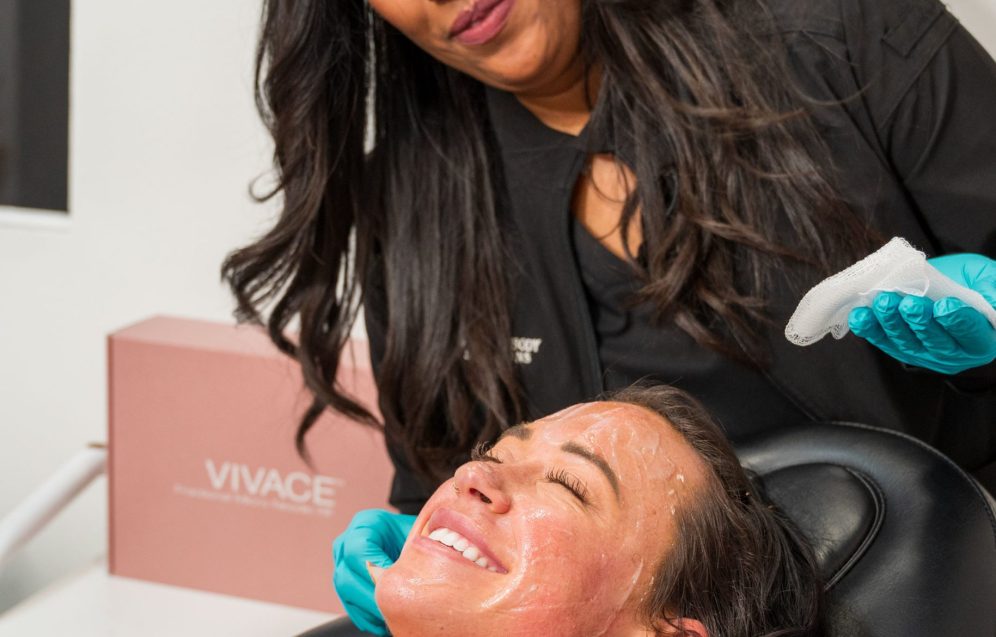
Body Contouring Tampa After Weight Loss


Reaching a weight-loss goal can change how you feel in your body, but it may also bring new questions about skin texture, localized fullness, or areas that do not match your expectations. Exploring body contouring Tampa options is a personal choice, not a required next step. The right consultation should help you understand what different treatments can and cannot do, then give you room to decide what fits your goals.
Weight & Body Solutions takes an integrated, physician-led approach to this conversation. Since 2007, the Tampa practice has supported patients through medical weight management and aesthetic care. That continuity can make it easier to discuss your health history, weight stability, priorities, and realistic treatment options in one setting.
This guide explains the major body-contouring categories, what matters after weight loss, and how to prepare for a useful consultation. Individual suitability, treatment plans, recovery, and outcomes vary. A clinical evaluation is necessary before any recommendation is made.
What body contouring means after weight loss
Body contouring is an umbrella term for treatments intended to change the appearance of a specific area. Depending on the method, the focus may be localized fat, skin laxity, cellulite, shape, or a combination of concerns. The term includes non-invasive, minimally invasive, and surgical approaches, which differ substantially in purpose and recovery.
It is not another form of weight loss
Body contouring is not a substitute for nutrition, movement, medical weight management, or other habits that support overall health. Instead, it focuses on selected areas. A person can be happy with their progress and still want to ask about a stubborn area. Another person may decide that no aesthetic treatment is right for them. Both choices are valid.
Why concerns may become more noticeable
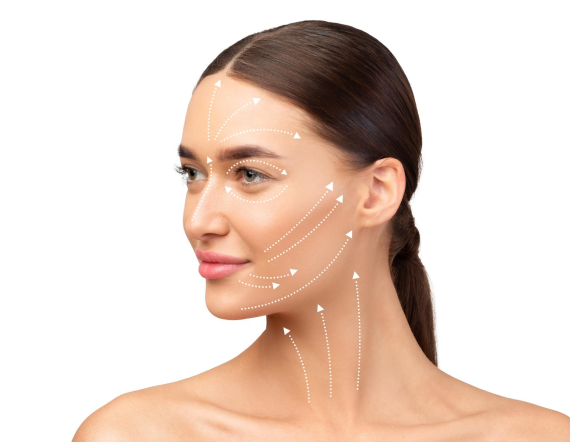
After weight changes, skin may not fully adapt to a new shape. Age, genetics, sun exposure, the amount and pace of weight change, and other factors can affect elasticity. Localized fat distribution can also remain different from one area to another. Because those concerns have different causes, one treatment cannot address every situation.
Start with the concern, not the device
A productive consultation begins with what you notice and what you hope to change. The provider can then assess whether the main issue is skin laxity, localized fullness, cellulite, or something else. This concern-first approach helps avoid selecting a treatment simply because it is popular.
How body contouring options differ
The broad categories below are useful for understanding the landscape. They are not a treatment recommendation. Availability and suitability must be confirmed during a consultation.
| Category | General approach | Important discussion points |
|---|---|---|
| Non-invasive | Uses energy or other external technology without incisions | Best-fit concern, number of visits, gradual changes, and limitations |
| Minimally invasive | Uses small access points or treatment beneath the skin | Anesthesia, recovery, risks, aftercare, and provider qualifications |
| Surgical | Removes or reshapes tissue through an operation | Surgeon credentials, scars, recovery, risks, and medical clearance |
Non-invasive treatments
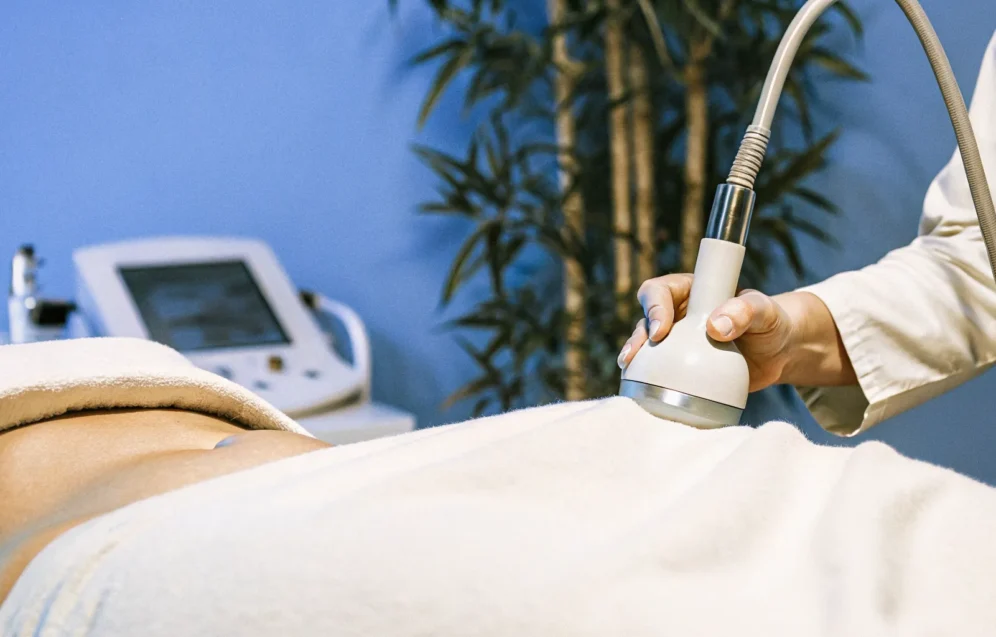
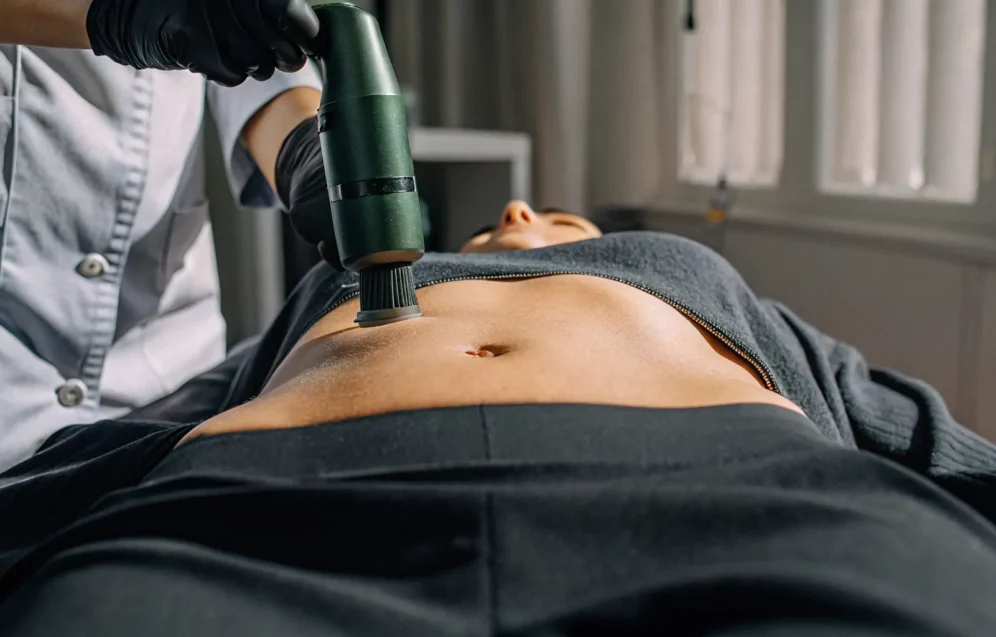
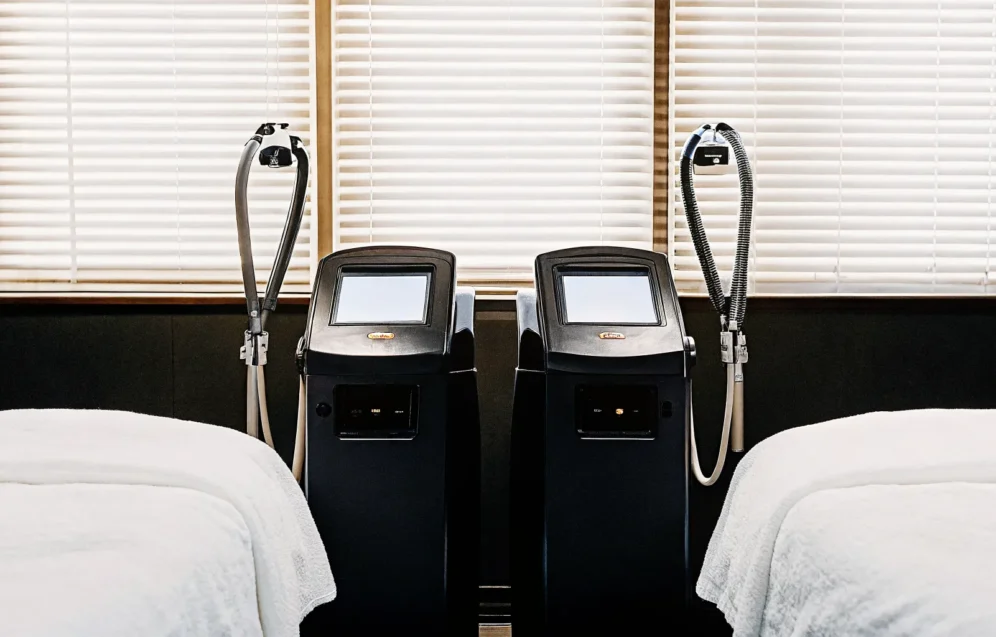
Non-invasive options generally involve less interruption to daily routines than surgery, but they also have limits. They may be considered for selected areas and specific concerns. Changes are often gradual, and more than one visit may be discussed. Ask what the technology is designed to address and what evidence supports its use for your concern.
Minimally invasive treatments
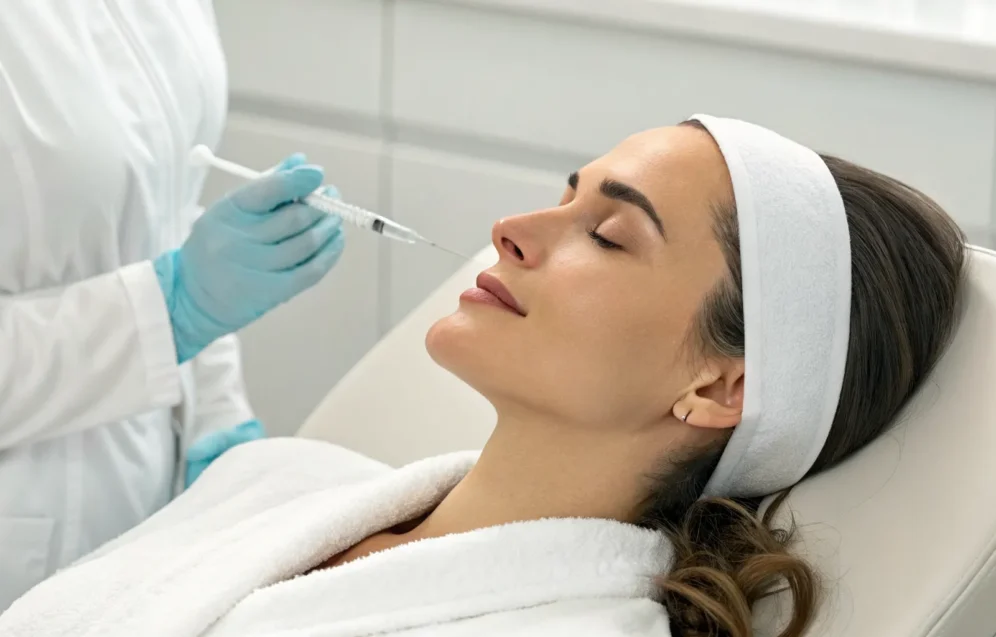
Minimally invasive options occupy a middle ground. They may offer a different degree of treatment than external devices while involving less extensive intervention than traditional surgery. They still require careful screening, informed consent, and a clear recovery plan. Weight & Body Solutions offers Endolift laser treatment, which may be discussed only when clinically appropriate for the area and goal.
Surgical options
Surgery may be considered when a concern cannot reasonably be addressed with a less invasive option. It also involves more substantial recovery and risk. A qualified surgical professional should explain candidacy, scars, medical clearance, and recovery. A med-spa consultation can help clarify goals, but it should not blur the distinction between surgical and non-surgical care.
When should you consider a consultation?
You do not need to wait until you have a perfect question or know the name of a treatment. A consultation can simply help you understand whether an option exists and whether now is an appropriate time to consider it.
Your weight pattern is reasonably stable
Ongoing weight changes can alter the appearance of treated areas and make planning harder. A provider may ask about recent changes, your current routine, and whether you expect your weight to continue changing. Stability does not guarantee an outcome, but it can support a clearer conversation about goals.
You can describe a specific concern
It helps to identify one or two areas and describe what bothers you in practical terms. Is the concern loose-feeling skin, texture, cellulite, or localized fullness? Are you looking for a subtle refinement or trying to understand a larger change? Clear priorities help the provider explain realistic choices.
You are ready to discuss health history
Medical history, medications, prior procedures, healing, and lifestyle factors may affect eligibility and recommendations. Share complete information, including weight-loss medications and supplements. A physician-led setting can connect these considerations to the larger care plan rather than viewing the area in isolation.
Your expectations allow for variation
No ethical provider should guarantee a precise result, timeline, or degree of change. Treatment response varies by person and method. A consultation is most useful when you are open to hearing that an option may offer a modest change, require multiple visits, involve downtime, or may not be recommended.
What to expect at a body contouring consultation
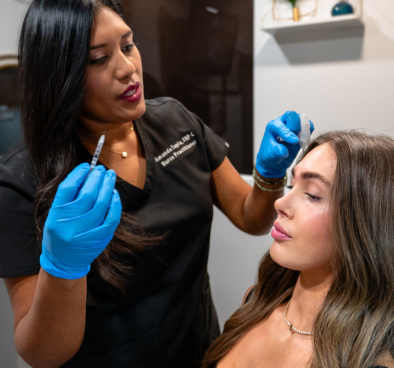
A strong consultation should be educational and unhurried. You should leave with a clearer understanding of the choices, even if you do not schedule treatment that day.
- Discuss your goals. Explain what you notice, what you would like to change, and what a worthwhile improvement would mean to you.
- Review your health history. Be prepared to discuss medical conditions, medications, weight changes, previous procedures, allergies, and healing concerns.
- Evaluate the area. The provider may assess skin quality, tissue characteristics, symmetry, and whether the concern matches the intended use of an available treatment.
- Compare appropriate options. Ask why one approach is being considered, what alternatives exist, and what each option cannot accomplish.
- Review tradeoffs. Discuss comfort, risks, downtime, number of visits, aftercare, expected progression, and factors that may affect the result.
- Create a personal plan. If treatment is appropriate, the plan should reflect your priorities and health, not a standard package.
Questions worth bringing
- Which concern does this treatment address?
- Why might it be appropriate for me?
- What are the limitations and alternatives?
- Who performs the treatment, and what training do they have?
- What should I expect during recovery and follow-up?
- How is pricing determined for my plan?
Connecting weight management and aesthetic care
Post-weight-loss aesthetic questions do not exist separately from health. An integrated practice can consider the full journey, including the methods used to support weight management, recent changes, maintenance plans, and personal priorities.
Weight & Body Solutions offers comprehensive weight loss programs alongside aesthetic services. That does not mean every weight-management patient needs body contouring. It means patients who are curious can have a coordinated conversation with a team familiar with both areas of care.
Verified options at Weight & Body Solutions
Depending on the concern and clinical evaluation, the conversation may include Verju laser treatment, Endolift, or another option listed among the practice’s body procedures. Each technology has a defined purpose and limitations. A consultation helps determine whether that purpose aligns with your anatomy and goals.
Continuity supports better questions
When weight management and aesthetics are discussed together, patients can ask how timing, maintenance, and overall wellness relate to the plan. This can also make it easier to avoid treating too early or choosing an option that does not address the main concern.
How to choose body contouring in Tampa
Local search results can make every provider and technology sound similar. Focus on the quality of the consultation rather than promotional language. A credible provider should explain fit, limits, risks, alternatives, and follow-up without pressure.
Look for medical oversight
Ask who evaluates candidacy and who performs the treatment. Confirm the person’s credentials and experience with the specific technology. Medical oversight is especially important when health conditions, medications, or recent weight changes could affect planning.
Expect a tailored recommendation
A recommendation should connect your concern to the intended purpose of the treatment. Be cautious if every person appears to receive the same package or if the conversation skips your health history. The provider should also be comfortable saying that treatment is not appropriate.
Ask for transparent tradeoffs
Useful guidance includes limitations. Ask about discomfort, downtime, risks, number of visits, aftercare, and how progress is assessed. Pricing should be explained in relation to the personal plan rather than used to rush a decision.
Choose a setting that welcomes questions
You should have enough time to understand the recommendation and alternatives. Take notes, ask for written instructions, and consider the information before deciding. A free consultation can be valuable, but it should still meet the same standards for careful screening and informed choice.
Supporting your results over time
Body contouring is one part of a larger picture. Treatments do not stop aging, prevent future weight changes, or replace healthy routines. Your provider may discuss ways to support the treatment plan before and after a procedure, based on your health and the selected method.
Maintain the habits that support your health
Continue the nutrition, movement, sleep, and medical care plan recommended for you. If you are using a physician-supervised weight-management program, discuss how aesthetic timing fits into that plan. Do not change medications or routines solely because of an aesthetic treatment without clinical guidance.
Follow treatment-specific aftercare
Aftercare varies widely. Follow the written instructions, attend recommended follow-ups, and report unexpected symptoms promptly. Avoid comparing your timeline with someone else’s because healing and treatment response differ.
Keep expectations realistic
The goal of a thoughtful plan is not perfection. It is an informed choice based on your priorities, health, and the realistic capabilities of the selected treatment. Results are not guaranteed, and additional or alternative care may be discussed if goals change.
Frequently asked questions about body contouring Tampa
It may help address selected concerns such as localized fullness, cellulite, or skin laxity, depending on the treatment and the person. It is not necessary after weight loss, and not every concern can be treated non-surgically. A consultation is needed to assess fit.
Some body-contouring treatments are non-invasive, while others are minimally invasive or surgical. These categories differ in purpose, risk, downtime, and potential degree of change. Ask the provider to clearly identify the category and explain alternatives.
Cost varies by treatment, area, number of visits, and personal plan. A consultation is the appropriate place to confirm current pricing. Be sure the estimate includes expected visits, aftercare, and follow-up.
Possible areas depend on the technology and its intended use. A treatment that is suitable for one area may not be appropriate elsewhere. The provider should evaluate the specific area before making a recommendation.
Duration varies by treatment, individual response, aging, and future weight changes. No provider can guarantee that a result will last for a specific period. Ask what maintenance or follow-up may be appropriate for the option discussed.
Schedule a thoughtful consultation in Tampa
If you are considering body contouring after weight loss, start with a conversation grounded in your health, goals, and realistic options. The physician-led team at Weight & Body Solutions can help you understand verified services and decide whether an aesthetic care plan is appropriate for you.
Schedule a free consultation to discuss body contouring options in Tampa. Recommendations, eligibility, recovery, and outcomes vary by individual.