Masseter Botox Tampa: Consultation and Safety Guide

If you are researching masseter Botox Tampa options, begin with a clinical consultation rather than a promised outcome. A qualified injector evaluates your jaw muscles, health history, facial proportions, symptoms, and goals before discussing whether treatment is appropriate and what alternatives may deserve consideration.
Book a free consultation with Weight & Body Solutions to discuss your jaw concerns with a physician-led Tampa team.
The masseters are powerful chewing muscles located near the angles of the jaw. They may become prominent from natural anatomy, repeated clenching, or grinding. Some patients ask about treatment because they want a softer lower-face contour. Others want to discuss tension or discomfort. These are different goals, and neither should be addressed with a one-size-fits-all plan.
Botox is FDA-approved for several medical and cosmetic indications. Injection into the masseter for facial contouring, jaw clenching, or certain jaw-related concerns may be an off-label use. Off-label use can be clinically appropriate, but it makes individualized assessment, informed consent, and a provider’s knowledge of facial anatomy especially important.
What is masseter Botox?
Masseter Botox uses carefully placed botulinum toxin injections to reduce activity in the chewing muscles at the jaw angles. Patients may discuss it for lower-face contouring, clenching, or muscle-related discomfort. The treatment is not appropriate for everyone, and results, dosing, and duration vary by anatomy and clinical goal.
Botulinum toxin temporarily limits the nerve signals that prompt a treated muscle to contract. In the masseter, this may reduce the force of involuntary clenching and, over time, decrease muscle prominence. It does not change the jawbone, remove fat, tighten loose skin, or correct every cause of facial pain.
Facial contouring and muscle-related concerns are different
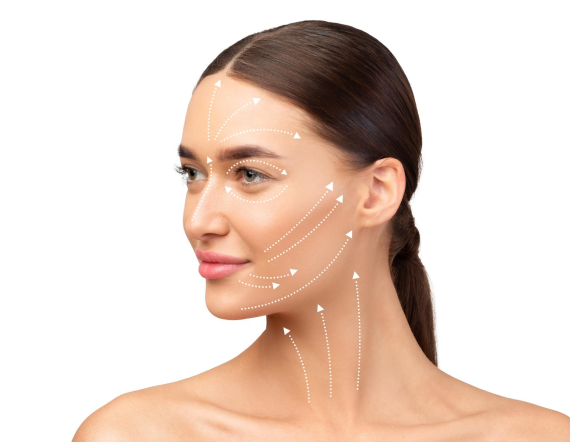
For facial contouring, the goal may be to reduce lower-face width caused by enlarged masseter muscles. A wide jaw caused primarily by bone structure, soft tissue, or skin laxity may not respond in the same way. Patients interested in broader facial balancing can also review the clinic’s approaches to dermal fillers or Endolift, although those services address different concerns and require separate evaluations.
For clenching or jaw discomfort, an injector should not assume the masseter is the only source. Dental problems, joint disorders, headaches, sleep issues, stress, and other muscles can contribute. A dental or medical evaluation may be recommended before or alongside aesthetic care.
Why precise placement matters
The masseter sits near muscles involved in facial expression and other structures that affect chewing. Dose and placement must account for the muscle’s boundaries, thickness, symmetry, and function. Over-treating or placing product outside the intended area can increase the chance of unwanted effects. This is why treatment should follow a hands-on assessment, not a dose copied from someone else’s experience.
Why do patients ask about masseter Botox in Tampa?
Tampa patients commonly ask about masseter Botox for a wider lower-face shape, persistent clenching, teeth grinding, or muscle-related jaw tension. A consultation clarifies whether the masseter is actually contributing to the concern and whether Botox, another treatment, or a referral is the safest next step.
Patients often arrive with more than one goal. They may dislike a square lower-face appearance and also wake with a tired jaw. Others have heard that Botox can treat TMJ problems. It is important to separate the muscle from the temporomandibular joint itself. Reducing masseter activity may help selected muscle-related symptoms, but it does not diagnose or resolve every temporomandibular disorder.
Questions that clarify the real goal
- Is the priority facial shape, comfort, or both?
- Do symptoms occur while awake, during sleep, or after chewing?
- Has a dentist identified grinding, tooth wear, bite issues, or joint disease?
- Is lower-face width caused mainly by muscle, bone, or soft tissue?
- Would reducing chewing-muscle strength create a problem for this patient?
A thoughtful consultation may conclude that no injection is needed. It may also identify a reason to coordinate care with a dentist or another medical professional. That is a sign of careful assessment, not a failed appointment.
What does an injector evaluate before treatment?
Before masseter Botox, an injector reviews medical history, medications, allergies, prior toxin treatments, pregnancy or nursing status, jaw symptoms, facial symmetry, and muscle function. The provider also feels the masseters during clenching and explains expected benefits, limitations, alternatives, potential side effects, and whether the proposed use is off-label.
Health history and contraindication screening
Share all diagnoses, medications, supplements, recent procedures, and previous reactions. Certain neuromuscular conditions, infections near an injection site, or known sensitivity to product ingredients may affect candidacy. Patients should also disclose swallowing or breathing difficulties and any history of facial weakness. A provider can then decide whether treatment is reasonable or should be deferred.
Botulinum toxin decisions require informed consent. The discussion should include the product being considered, why it is being recommended, expected onset and duration, realistic limitations, and the possibility that an off-label use is being proposed. Weight & Body Solutions uses a physician-led care model and has served Tampa Bay since 2007.
Jaw function and facial proportions
During the exam, an injector may ask you to clench so the masseter becomes easier to see and feel. The provider compares both sides, checks the muscle’s borders, and considers how the lower face relates to the cheeks, chin, and neck. Existing asymmetry matters because treatment may make it more noticeable or require a deliberately different plan on each side.
Photos may be used to document the starting point and support follow-up. They should not replace an in-person functional exam. If your main concern involves skin laxity, volume loss, or overall facial balance, the clinician may discuss other options rather than asking one injectable to do several unrelated jobs.

What happens at a masseter Botox appointment?
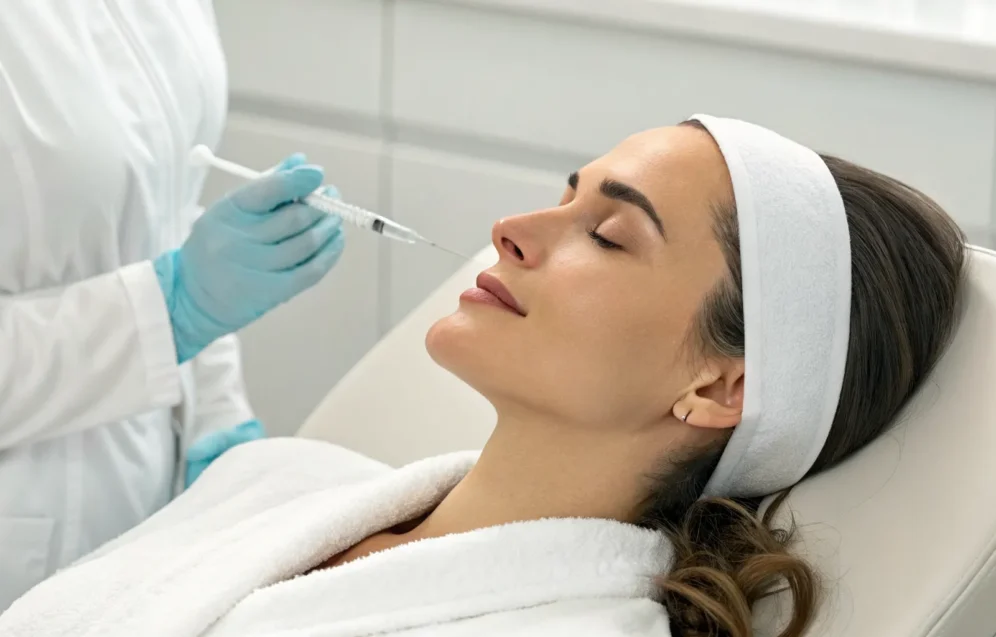
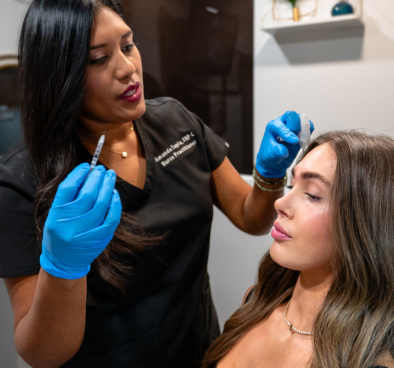
A masseter Botox appointment generally includes a consultation, muscle assessment, treatment mapping, informed consent, cleansing, and several precise injections on each side if treatment is appropriate. The injection portion is usually brief, but the clinical evaluation should never feel rushed. Your provider then gives individualized aftercare and follow-up guidance.
From consultation to treatment plan
- Discuss goals and symptoms. Explain what you notice, when it occurs, and what outcome would feel meaningful.
- Review medical history. Disclose health conditions, medications, prior injectable treatments, and relevant dental care.
- Assess anatomy and function. The provider examines the jaw at rest and during clenching, then compares both sides.
- Review options and consent. You discuss expected benefits, limitations, alternatives, risks, and the proposed product.
- Treat and plan follow-up. If you proceed, the area is cleaned, injections are placed, and aftercare is reviewed.
Patients commonly describe the injections as quick pinches, but comfort varies. Do not choose a clinic based only on the shortest appointment or a fixed number of units. The assessment and the quality of the plan matter more than speed.
When results may become noticeable
Botulinum toxin does not work instantly. Changes in clenching strength or muscle activity may begin before visible contour changes. Facial slimming, when it occurs, can take longer because the muscle’s appearance changes gradually. Duration and degree of change vary, and maintenance should be discussed only after the provider sees how you respond.
A follow-up visit allows the clinician to assess symmetry, function, and satisfaction. It also creates an opportunity to discuss whether further treatment is appropriate. More product is not automatically better, especially in a muscle that is important for chewing.
What are the risks and side effects?
Potential masseter Botox effects include temporary tenderness, swelling, bruising, headache, asymmetry, altered smile, chewing fatigue, or an outcome that differs from expectations. Rare but serious symptoms can occur. Seek urgent medical care for trouble swallowing, speaking, or breathing, widespread weakness, or signs of a severe allergic reaction.
No injectable treatment is risk-free. Common short-term effects at injection sites can include redness, tenderness, swelling, or bruising. Some patients may notice temporary chewing fatigue, especially with firm foods. Unwanted weakness in nearby muscles can affect facial expression or smile symmetry. Changes in lower-face contour may also reveal pre-existing asymmetry or make skin laxity more noticeable.
Safety questions worth asking
- Who will perform the injections, and what is their clinical training?
- How did you determine that my masseter is contributing to my concern?
- Is the recommended use on-label or off-label?
- What alternatives should I consider?
- Which symptoms require an urgent call or medical care?
- When will you assess my response?
Patients can learn more about the clinic’s general Botox service before scheduling. The service page provides broader context, while the consultation determines whether treatment of the masseter is appropriate for an individual patient.
Aftercare and follow-up
Aftercare should follow the specific instructions provided by your injector. General recommendations may include avoiding rubbing or pressing on treated areas for a period of time and contacting the clinic if unexpected symptoms develop. Ask before exercising, receiving facial treatments, or taking medications if your instructions are unclear.
Monitor function, not only appearance
Note changes in comfort, clenching, chewing, symmetry, and facial expression. A useful follow-up is more than a photo comparison. It considers whether the treatment supported the original goal without creating an unacceptable change in function. Contact the clinic promptly if you are concerned rather than waiting for a routine visit.
Botox effects are temporary. Future treatment, if any, should be based on your response and reassessment. Repeated treatment without checking muscle strength, facial proportions, and goals can lead to an overly aggressive result. Your provider may recommend more time between appointments, a different plan, or no further injections.
Request a free consultation with Weight & Body Solutions to review your jaw concerns, candidacy, alternatives, and a personalized safety plan.
How does masseter Botox compare with other options?
Masseter Botox is one possible tool, not a universal solution for a wide jaw or jaw discomfort. The right path depends on the primary cause and the patient’s priorities. A clinician may recommend evaluation by a dentist or another medical professional when symptoms suggest a dental, joint, sleep-related, or neurological issue.
| Primary concern | What evaluation should clarify | Possible next discussion |
|---|---|---|
| Prominent chewing muscles | Whether muscle size drives lower-face width | Masseter Botox candidacy and limitations |
| Jaw pain or grinding | Whether symptoms are muscle-related or have another cause | Medical or dental assessment and supportive care |
| Volume loss or facial imbalance | How facial proportions affect the concern | Observation or a separate filler consultation |
| Loose lower-face skin | Whether skin laxity, not muscle, is the main issue | Consultation about options such as Endolift |
Separate services should never be treated as interchangeable. Comparing them is useful because it prevents a patient from pursuing muscle relaxation when the concern comes from another structure. A qualified clinical assessment helps define the problem before recommending a procedure.
Frequently asked questions about masseter Botox Tampa
Is masseter Botox the same as TMJ treatment?
No. The masseter is a chewing muscle, while the temporomandibular joint is a joint with multiple surrounding structures. Botox may be discussed for selected muscle-related symptoms, but it does not diagnose or treat every TMJ disorder. Patients with pain, clicking, locking, or bite changes may need dental or medical evaluation.
Can masseter Botox slim every wide jaw?
No. It is most relevant when enlarged masseter muscles contribute meaningfully to lower-face width. Bone structure, fat distribution, skin laxity, and other facial features can also shape the jawline. An exam helps determine which structures are driving the appearance and what change is realistic.
How long does masseter Botox last?
Duration varies by product, dose, anatomy, muscle activity, metabolism, and treatment history. Your provider should explain a realistic range and evaluate your response before recommending maintenance. Avoid relying on a guaranteed timeline or another patient’s schedule.
How much does masseter Botox cost in Tampa?
Cost depends on the individualized plan and should be confirmed during consultation. A responsible recommendation is based on anatomy, function, goals, and product selection rather than price alone. Ask what the quoted fee includes, whether follow-up is included, and what outcome the proposed plan is designed to support.
Book a consultation with a physician-led Tampa team
Masseter Botox deserves the same care as any other medical aesthetic treatment: a clear goal, thorough screening, informed consent, precise technique, and appropriate follow-up. Weight & Body Solutions has served Tampa Bay since 2007 and offers a physician-led setting for personalized aesthetic consultations.
Book your free consultation to discuss whether masseter Botox or another approach fits your concerns.