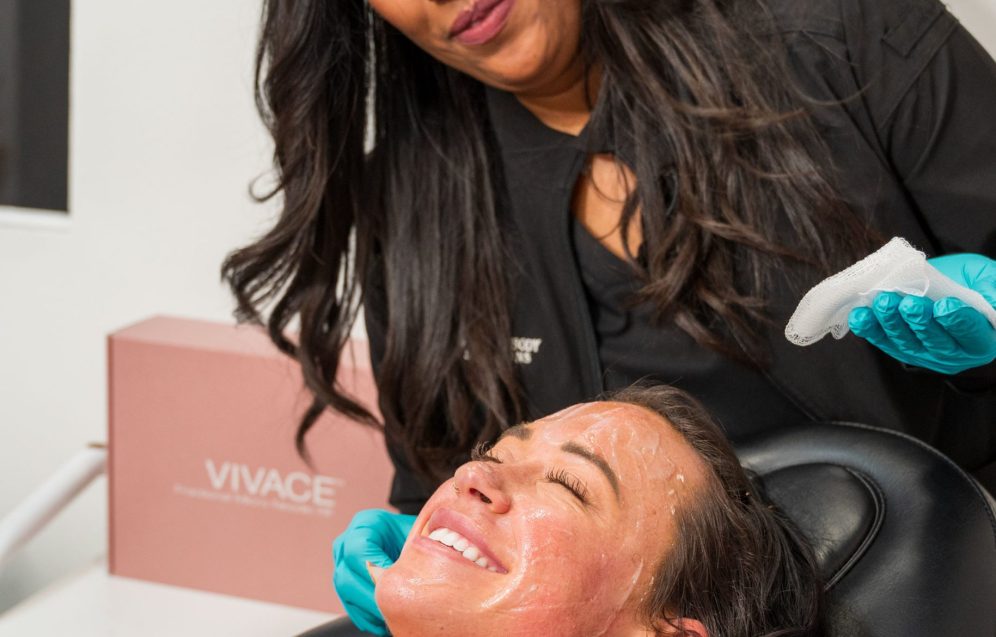
Non Surgical Facelift Tampa: Compare Your Options

Searching for a non surgical facelift Tampa provider can quickly become confusing because the phrase does not describe one procedure. It covers treatments that may address facial volume changes, expression lines, skin quality, or mild laxity without a traditional surgical facelift.
Ready to compare your options? Schedule a free consultation at Weight & Body Solutions.
The most useful first step is not choosing a trending treatment. It is choosing a consultation path based on what you want to address, your anatomy, medical history, and comfort with treatment and recovery. This guide compares the options offered at Weight & Body Solutions and the questions worth asking before you decide.
Non Surgical Facelift Tampa: What does a non-surgical facelift mean?
A non-surgical facelift is an umbrella term, not one set procedure. It describes treatments that address visible facial aging without a traditional surgical facelift. Depending on the plan, these treatments may support facial tissue, restore lost volume, soften certain lines, or improve mild skin laxity.
Different treatments for different concerns
- Injectable fillers may restore volume or refine facial contours.
- Thread lifts may provide mechanical support and reposition some facial tissue.
- Laser or radiofrequency treatments may target skin laxity and related texture concerns.
- Neuromodulators may soften expression lines caused by repeated muscle movement.
These options are not interchangeable. For example, adding volume does not treat every cause of sagging. A PDO thread lift in Tampa also works differently from a laser-based skin treatment.
Results compared with surgery
Evidence also applies to each method, not to the umbrella term as a whole. One published study found that nonablative radiofrequency tissue tightening improved facial sagging caused by photoaging. That finding should not be used to predict results from fillers, threads, lasers, or every radiofrequency device.
A plan based on the face
During a consultation, the provider should review facial anatomy, health history, prior procedures, medicines, and the desired level of change. This review helps decide whether one option, combined non-surgical anti-aging treatments, or a surgical referral makes more sense.
Comparing non-surgical facelift consultation paths
A consultation for a non surgical facelift in Tampa should begin with the concern you want assessed, not a preferred procedure. Skin laxity, lost facial volume, and expression lines call for different treatment discussions. A clinician can also assess whether one method or a planned mix fits your goals.
Paths based on your main concern
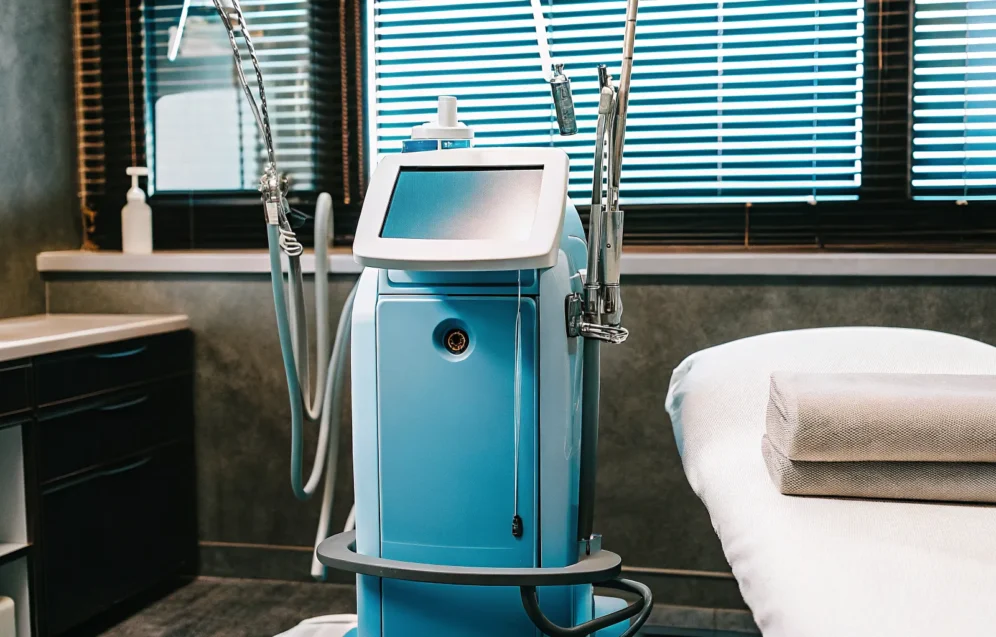
Endolift may enter the discussion when the main concern is skin lifting or tightening. The clinic describes Endolift laser skin tightening as a facial rejuvenation option. During the visit, ask which areas may be treated, what recovery may involve, and how progress will be reviewed.
Dermal fillers follow a different path because the discussion centers on volume and facial contours. Botox consultations focus on expression-related lines and muscle movement. These options do not solve the same concern, so a clear facial assessment matters before a plan is made.
| Consultation path | Main concern to assess | Treatment approach discussed | Useful questions |
|---|---|---|---|
| Endolift | Skin laxity or areas needing tighter contours | Laser-based lifting and tightening | Which areas may be treated? What recovery should I plan for? |
| Dermal fillers | Lost volume or changes in facial contours | Injectable volume and contour planning | Where is volume loss present? How will balance be assessed? |
| Botox | Expression lines linked to muscle movement | Targeted injectable planning | Which muscles affect my concern? What follow-up is needed? |
| Combination plan | More than one concern across the face | Sequenced or coordinated treatment options | Why combine methods? In what order would treatment occur? |

Not sure which path fits your concern? Book a personalized facial rejuvenation consultation.
How does a provider choose the right consultation path?
For someone considering a non surgical facelift in Tampa, the right path begins with a detailed facial assessment. A telehealth visit can help clarify goals and basic options. An in-person exam lets the provider study the concern, its likely cause, and how each feature relates to nearby areas.
What the provider examines
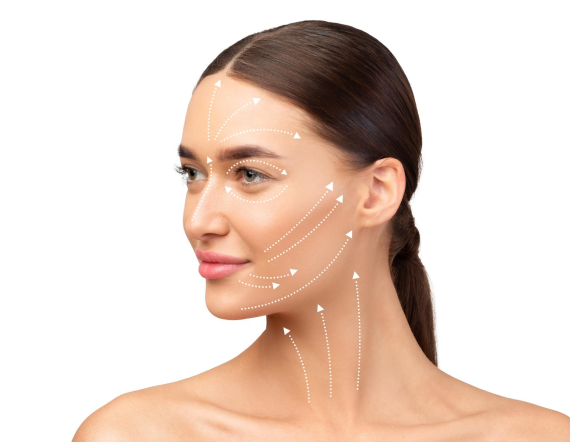
The provider first looks at skin laxity, facial volume, expression lines, and overall balance. They may assess the cheeks, jawline, neck, temples, and areas around the eyes and mouth. Skin quality also matters because texture, tone, and looseness can call for different forms of care.
Matching concerns to treatment types
Each treatment addresses a different part of facial aging. Injectable options may soften expression lines or restore selected areas of lost volume. A PDO thread lift in Tampa may be discussed when the main goal is lifting and contouring facial tissue without surgery.
Some people have more than one concern, so a combined plan may be worth discussing. Volume loss, laxity, and expression lines often require separate decisions. The provider may also review Endolift laser skin tightening when the treatment goal and exam findings support that option.
Goals, health, and recovery
A sound consultation includes medical history, current medicines, allergies, prior procedures, and past reactions. The provider should also ask what result the patient wants and what changes would feel too noticeable. Clear goals help keep the plan focused and realistic.
The final recommendation may be one treatment, a staged plan, or no treatment at that time. A careful provider explains why each option fits, what it cannot address, and whether another type of care is more suitable. This creates a plan based on the exam rather than a preset package.
When might an Endolift consultation make sense?
An Endolift consultation may make sense when you want to discuss mild skin laxity or facial contour concerns without starting with surgery. It is also useful when you need help separating laser treatment from threads, fillers, and other options. The visit should focus on your goals, health history, and whether the treatment fits your needs.
Reasons to discuss Endolift
Weight & Body Solutions offers Endolift laser skin tightening as one option for facial rejuvenation. A consultation can clarify which areas may be treated and what the procedure involves. It can also help set limits around what a non-surgical approach can address.
Questions for your consultation
Bring a clear description of what bothers you and what change would feel useful. Photos may help you point to the areas you want assessed. Share prior facial procedures, medicines, health conditions, and any planned treatments. These details help the provider assess whether Endolift belongs in your care plan.
- Which concern would Endolift address in my case?
- Why might it fit better than a thread lift, filler, or another laser treatment?
- What happens during the procedure, and what type of comfort support is used?
- What short-term side effects and aftercare steps should I plan for?
- Are there health factors or past procedures that could make Endolift unsuitable?
- Who performs the treatment, and what training do they have with this device?
Comparing Endolift with other options
People searching for a non surgical facelift in Tampa may find several treatments grouped under one broad label. Yet each option addresses a different concern. Threads may focus on mechanical lift, while fillers may focus on volume. Energy-based treatments may have a different role, so the right choice depends on an in-person assessment.

Compare Endolift, injectables, and other options with a qualified provider. Schedule your free consultation.
How do fillers and Botox fit into facial rejuvenation?
Two injectables, two different jobs
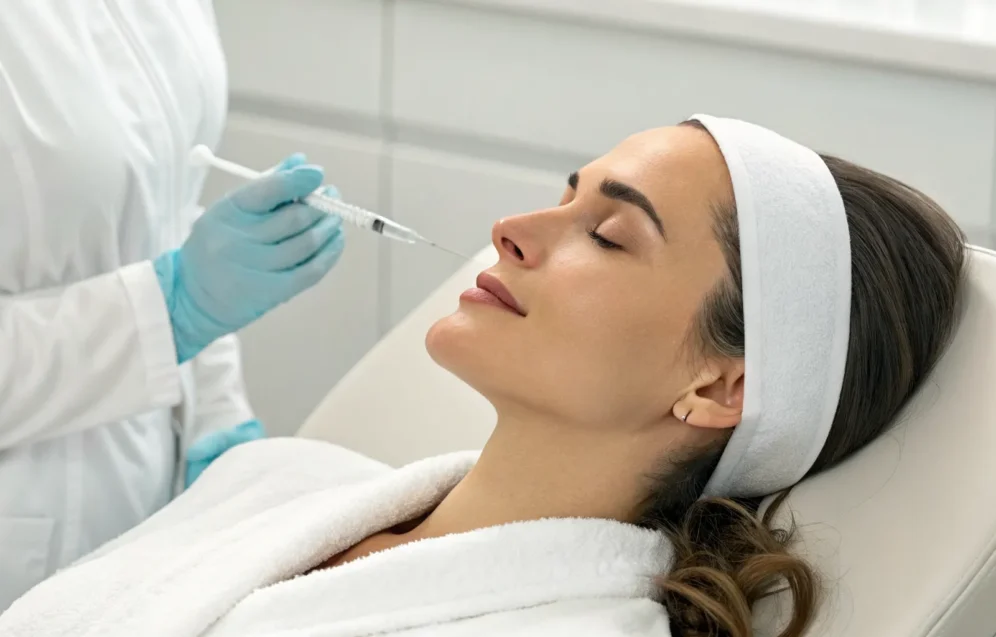
Fillers and Botox may appear in the same facial rejuvenation plan, but they address different concerns. Fillers add or restore volume in selected areas. Botox is used to soften certain lines tied to repeated facial muscle movement. Neither option lifts every facial layer or replaces surgery.
Dermal fillers may help shape the cheeks, support facial contours, or soften some folds when volume loss is the main concern. The clinic’s dermal fillers page explains this option in more detail. Product choice, placement, and amount depend on facial structure and the treatment goal.
Where Botox may fit
Botox takes a different approach. It is often considered when expression lines are linked to muscle movement, rather than lost volume. Common discussion areas include lines around the eyes and between the brows. A consultation should confirm whether those lines are dynamic, fixed, or caused by more than one factor.
The clinic’s Botox service page gives more context on treatment areas and what to expect. Botox will not replace missing facial volume. It also does not tighten loose skin in the same way as a skin-focused procedure. This distinction helps set clear goals before treatment.
Building a balanced treatment plan
For someone researching a non surgical facelift in Tampa, injectables may be one part of a broader plan. The right mix depends on what is causing the visible change. Volume loss, muscle-driven lines, skin laxity, and surface texture often need different approaches. Treating the cause matters more than choosing a popular treatment.
A clinical review may consider several questions:
- Is the main concern lost volume, movement-based lines, or loose skin?
- Would one injectable address the concern, or would another type of treatment make more sense?
- How subtle or noticeable should the planned change be?
- What risks, aftercare needs, and follow-up plans apply?
A face-to-face consultation allows the provider to assess movement, symmetry, volume, skin quality, and medical history. This review can clarify whether fillers, Botox, another procedure, or no treatment is appropriate. It also creates space to discuss expected limits instead of promising a set result.
What should you ask at a non-surgical facelift consultation?
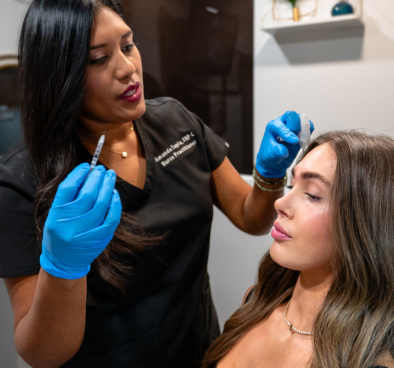
A good consultation should feel like a careful evaluation, not a sales pitch. Bring a short list of concerns and describe what looks different to you rather than asking for a specific product by name. Photos showing how your face has changed over time can also help explain your priorities.
Questions about your treatment plan
- Which concern is each recommended treatment intended to address?
- Why is this approach appropriate for my anatomy and medical history?
- Would a staged plan make more sense than combining treatments at one visit?
- What alternatives should I consider, including choosing no treatment?
- At what point would a surgical consultation be more appropriate?
Questions about safety and follow-up
- Who will perform the treatment, and what training do they have?
- What side effects, risks, and recovery considerations apply to me?
- What should prompt me to call the office after treatment?
- How will the care team evaluate progress and discuss maintenance?
Be candid about medications, supplements, previous procedures, allergies, and upcoming events. This information helps the provider assess candidacy and plan responsibly. It is also reasonable to take time after the consultation before making a decision.
Setting realistic expectations before treatment
Non-surgical facial rejuvenation and a surgical facelift are not interchangeable. A non-surgical approach may suit someone seeking targeted changes without traditional facelift surgery, but it cannot reproduce every change surgery may provide. Your provider should explain the limits of each option as clearly as its potential benefits.
Results, recovery, and maintenance needs vary by treatment and patient. Factors such as skin condition, facial structure, age-related changes, health history, and the selected plan all matter. No responsible consultation can guarantee a specific outcome or timeline.
A thoughtful plan may also prioritize restraint. More treatment is not automatically better, and different areas of the face should be considered together. The goal of consultation is to determine whether an option fits your concerns and, if so, create a plan that supports balanced facial proportions.
Ready for a plan based on your concerns? Schedule a free consultation with Weight & Body Solutions.
Frequently asked questions
Is there one best non-surgical facelift treatment?
No. “Non-surgical facelift” is an umbrella phrase, and treatments address different concerns. A provider must evaluate your anatomy, goals, health history, and preferences before recommending a path.
Can fillers tighten loose skin?
Dermal fillers are generally discussed when facial volume or contour is a concern. They are not the same as a treatment selected specifically to address skin laxity. Your consultation should clarify which concern is driving the recommendation.
Can Botox replace dermal filler?
Botox and dermal fillers work differently. Botox is commonly considered for expression-related lines, while fillers may be considered for volume and contour concerns. One does not simply replace the other.
How do I know whether I should consider surgery?
That depends on your anatomy, degree of concern, goals, and expectations. Ask your provider to explain the limits of non-surgical options and when a consultation with a qualified facial plastic or plastic surgeon would be more appropriate.
Can treatments be combined?
Sometimes a provider may discuss a combined or staged plan because concerns can involve more than one aspect of facial aging. Combination treatment is not right for everyone and should follow an individualized evaluation.
Plan your facial rejuvenation consultation in Tampa
The right starting point is a clear conversation about what you see, what you want to change, and what you prefer to leave alone. Weight & Body Solutions has served Tampa Bay since 2007 with physician-led care and personalized treatment planning.
If you are comparing non-surgical facelift options in Tampa, schedule a free consultation. The care team can evaluate your concerns, discuss appropriate options, explain limitations and risks, and help you decide whether treatment fits your goals.