Plasma Injections for Hair Loss: What to Expect
Seeing more hair in your brush or shower drain can be disheartening, and it’s easy to feel like your only options are cover-ups or treatments that don’t last. Platelet-Rich Plasma (PRP) therapy offers a different path. It’s a medical treatment designed to actively rejuvenate your scalp and strengthen your hair from within. By using your body’s own regenerative properties, these plasma injections for hair loss deliver a potent dose of growth factors directly to your follicles. This process helps reduce shedding and encourages new growth, restoring not just your hair, but your confidence, too. Here, we’ll explain the science, the procedure, and the timeline for seeing real, lasting results.
Key Takeaways
- PRP uses your body's own healing power: This treatment harnesses growth factors from your own blood to awaken dormant hair follicles, which is why it works best for people who are in the earlier stages of hair thinning.
- Results require a consistent plan: Expect an initial series of treatments to kickstart growth, with the most noticeable results appearing after three to six months. Follow-up sessions are necessary to maintain your thicker, fuller hair over time.
- A personalized strategy delivers the best results: PRP is very safe, but its success depends on a plan tailored to you. A professional consultation is crucial for identifying underlying causes of hair loss, such as hormonal shifts, and creating a holistic approach for lasting improvement.
What Are PRP Injections for Hair Loss?
If you're looking for a natural way to address hair thinning, Platelet-Rich Plasma (PRP) injections are an option worth exploring. At its core, PRP is a treatment that uses the powerful growth factors found in your own blood to encourage hair regrowth. The procedure is straightforward: a medical professional takes a small sample of your blood, similar to a routine blood test. That sample is then placed in a centrifuge, a machine that spins it at high speed to separate it into layers. One of these layers is the platelet-rich plasma, a golden liquid concentrated with your body's own healing properties.
How PRP Uses Your Body's Own Healing Power
So, how does this liquid gold actually work on your scalp? The magic is in the growth factors. When the PRP is injected into areas of thinning hair, these growth factors get to work stimulating the stem cells within your hair follicles. Think of it as a gentle wake-up call for dormant follicles that have slowed down their growth cycle. This process helps promote new hair growth and improves blood supply to the area, which is essential for a healthy scalp. Over time, this can lead to stronger, thicker hair shafts and a visible improvement in hair density. It’s a way of using your body's own natural healing abilities to rejuvenate your hair from the inside out.
PRP vs. Other Hair Loss Treatments
When you're considering hair loss solutions, you'll likely come across medications like minoxidil and finasteride. PRP offers a different approach. Because it uses your own biological material, many people see it as a safe and effective alternative, especially if they prefer to avoid daily medications or have had side effects from other treatments. It's also a versatile treatment that can be used on its own or alongside other therapies. While some experts suggest trying conventional treatments first, a consultation with a medical professional can help you decide the best path for your specific type of hair loss and your personal goals. This allows for a truly personalized plan tailored to you.
How Does PRP Stimulate Hair Growth?
It might sound like science fiction, but PRP therapy for hair loss is based on a simple, powerful idea: your body has its own amazing ability to heal and regenerate. We’re just giving it a helping hand and directing that energy right where you want to see new growth. The process uses a concentrated dose of your own blood platelets to wake up dormant hair follicles and encourage thicker, healthier hair. Think of it as a targeted support system for your scalp, using the best resources available—the ones you already have.
The Power of Platelet-Rich Plasma
So, what exactly is in that "liquid gold"? Platelet-rich plasma (PRP) is a concentration of platelets and growth factors sourced from your own blood. These growth factors are powerful proteins that act like your body's personal repair crew, signaling cells to regenerate and grow new tissue. When it comes to hair loss, these proteins are believed to stimulate the stem cells within your hair follicles. This process not only encourages new hair growth but also improves blood flow to the scalp, ensuring your follicles get the nutrients they need to thrive.
Rejuvenating Hair Follicles from Within
Once the PRP is prepared, it’s carefully injected into the areas of your scalp where hair is thinning. This technique delivers the concentrated growth factors directly to the source of the problem. The PRP gets to work stimulating specific cells in your follicles known as dermal papilla cells, which play a crucial role in regulating hair growth. By activating these cells, the treatment encourages dormant follicles to re-enter the growth phase. The goal is to help your hair grow back thicker and healthier, creating a fuller look by rejuvenating your follicles from the inside out.
Are You a Good Candidate for PRP?
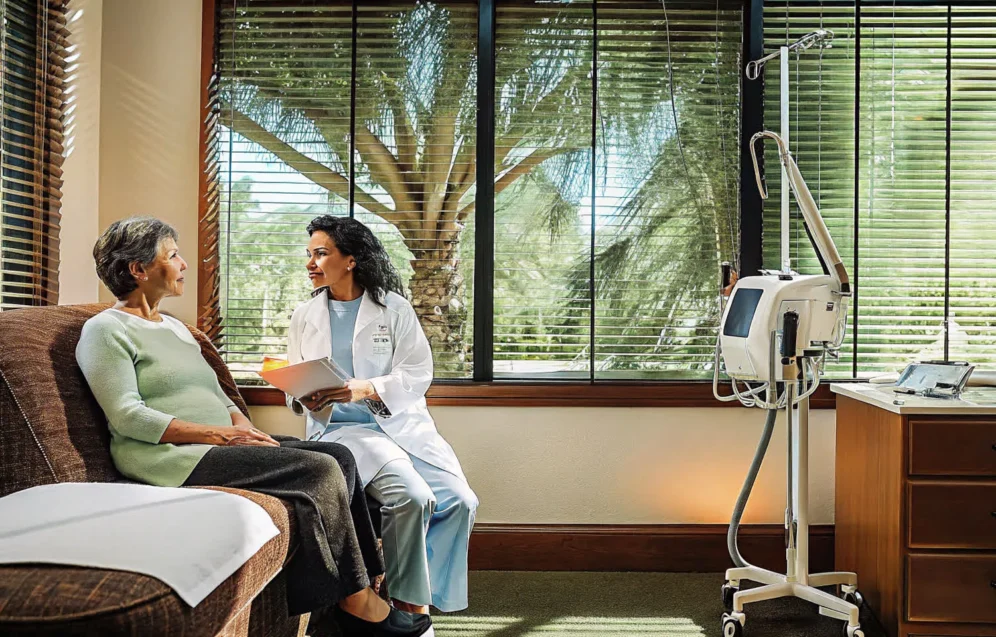
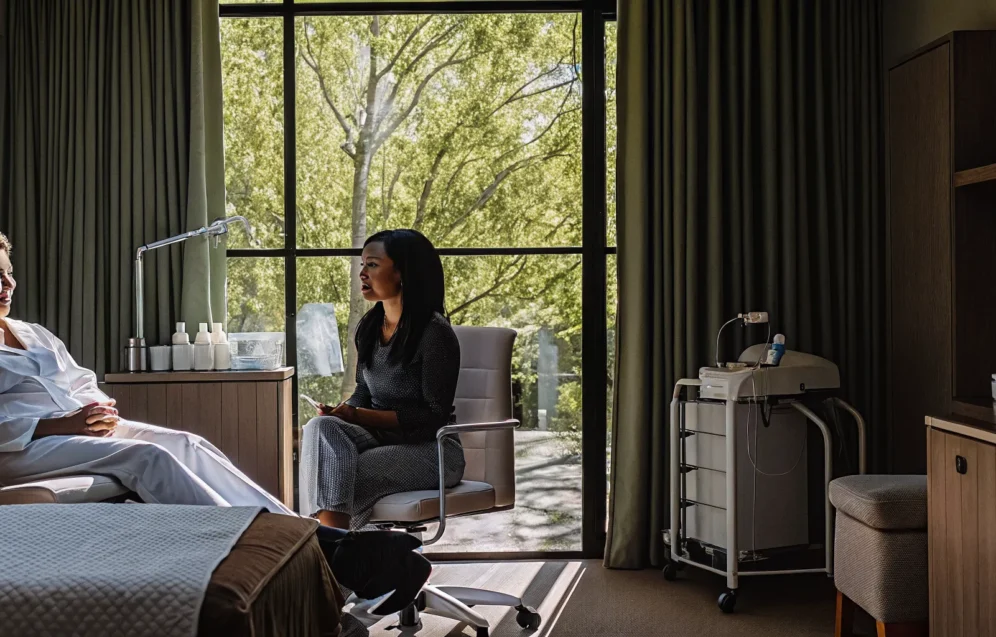
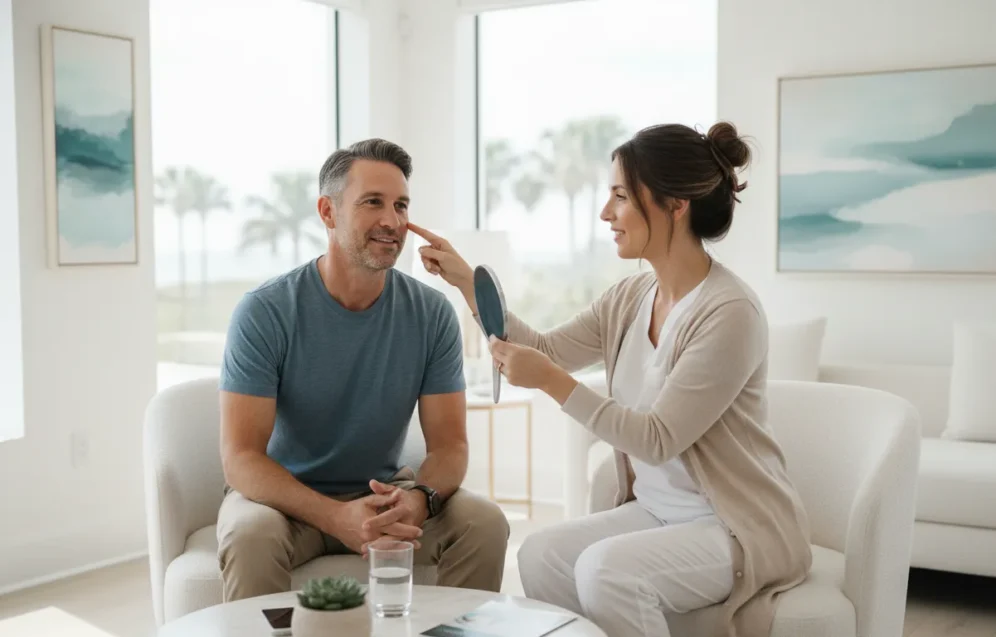
While PRP is an exciting and effective option for hair restoration, it’s not the right fit for everyone. The success of your treatment depends on several factors, including the type of hair loss you’re experiencing, your overall health, and your hair restoration goals. The best way to know for sure if PRP is right for you is to have a conversation with a medical professional who can assess your specific situation.
Think of it this way: your hair loss is unique, so your treatment plan should be too. We look at the whole picture to determine the root cause of your hair thinning. Sometimes, hair loss is linked to other factors like hormonal shifts. Addressing these underlying issues is a critical first step in any successful hair restoration plan. For many women, balancing hormones through HRT for Women can be a key part of the solution. A thorough consultation helps us create a personalized strategy that gives you the best possible chance of achieving the thicker, fuller hair you want.
Best Types of Hair Loss for PRP
PRP therapy tends to deliver the best results for individuals who are in the earlier stages of hair thinning. If you’ve recently started noticing more hair in your brush or a wider part, you could be an ideal candidate. This is because PRP works by stimulating hair follicles that have become dormant or weak, but are still alive. It essentially wakes them up and encourages them to start growing healthy hair again.
For those with extensive hair loss or areas that are completely bald, the treatment may be less effective because the hair follicles in those areas may no longer be viable. Catching hair loss early gives us more active follicles to work with, which is why we encourage you to come in for a consultation as soon as you notice changes.
Important Health Considerations
Your overall health is a major factor in determining if you’re a good candidate for PRP. Since the treatment uses your own blood, we need to ensure there are no underlying conditions that could interfere with the results. For example, certain chronic illnesses or unmanaged thyroid disorders can contribute to hair loss, and these issues should be addressed for PRP to be effective.
Similarly, hormone imbalances can play a significant role in hair thinning for both men and women. That’s why a comprehensive approach that may include HRT for Men is sometimes recommended alongside PRP. During your consultation, we’ll review your medical history to make sure you’re set up for success and that PRP is a safe and effective choice for you.
When to Consider Other Options
PRP is a powerful tool, but it isn't always the first or only step in a hair restoration journey. Depending on your specific type of hair loss, we might suggest starting with other proven treatments first. For example, topical solutions like minoxidil or oral medications like finasteride are common first-line treatments that can be very effective for many people.
Our goal is to find the most effective and efficient path to restoring your hair. If you’ve already tried other methods without seeing the results you hoped for, PRP can be an excellent next step. It also works very well in combination with other therapies to create a multi-faceted treatment plan. It’s all about tailoring the approach to your unique needs and goals.
The PRP Procedure: A Step-by-Step Guide
If you're picturing a complicated, all-day affair, I have good news for you. The PRP procedure is surprisingly straightforward and is performed right in our office during a single appointment. The entire process is designed to be efficient and comfortable, using your body’s own resources to encourage hair regrowth. Because we are using your own plasma, it’s one of the most natural approaches to hair restoration available. Our physician-led team handles every step with precision and care, ensuring you feel confident and informed from start to finish.
The treatment breaks down into four simple stages: a quick blood draw, the preparation of your unique PRP serum, the treatment of your scalp, and finally, your aftercare plan. Think of it as borrowing your body’s best healing components and delivering them exactly where they’re needed most. This method is just one of the many ways we provide personalized wellness therapies to help you look and feel your best. Let’s walk through what you can expect at each step of your PRP appointment.
Step 1: Your Blood Sample
First things first, we need to collect the key ingredient: your blood. The process is exactly like getting a routine blood test at your doctor’s office. A medical professional will draw a small amount of blood from your arm, usually just one or two vials. It’s a quick and simple step that takes only a few minutes. We only need enough to create a concentrated PRP serum specifically for you, so you don’t have to worry about a large or draining blood draw. Our team will make sure you are comfortable throughout this initial part of the procedure.
Step 2: Preparing the PRP
This is where the magic happens. We take your blood sample and place it into a special machine called a centrifuge. This device spins the blood at a very high speed, which separates it into distinct layers. One of these layers is the platelet-rich plasma, or PRP, a golden-colored serum packed with powerful growth factors. By isolating the PRP, we create a potent, concentrated solution that contains all the natural healing power needed to rejuvenate your hair follicles. This preparation process is done on-site while you wait and typically takes about 10 to 15 minutes.
Step 3: Treating the Scalp
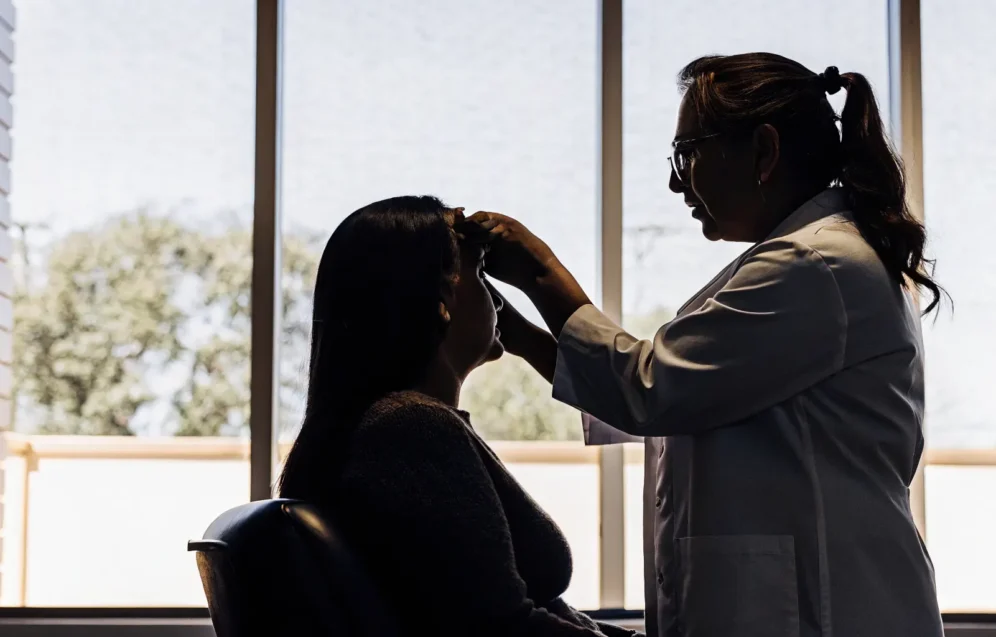
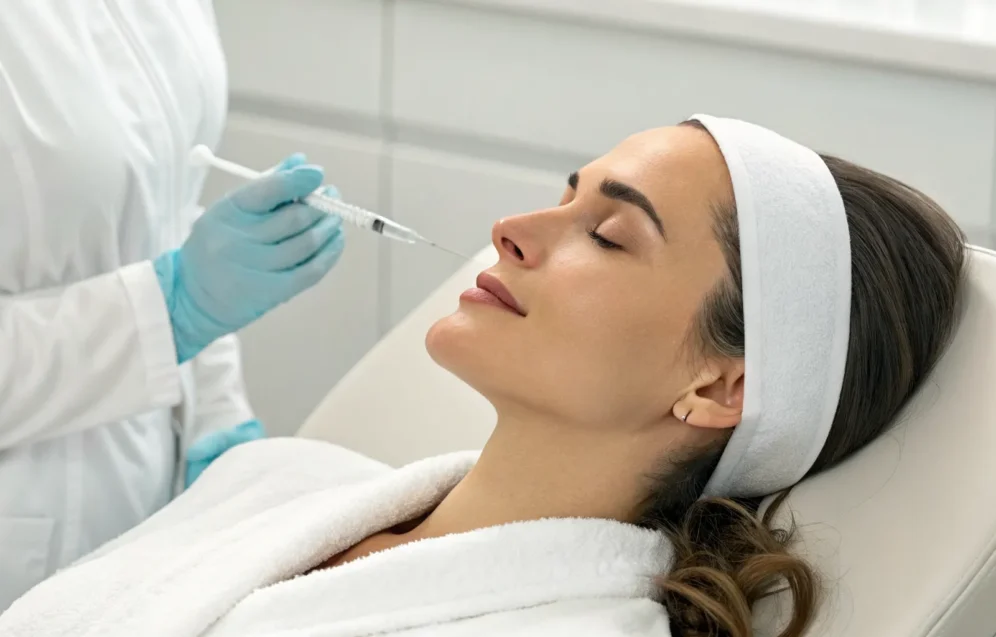
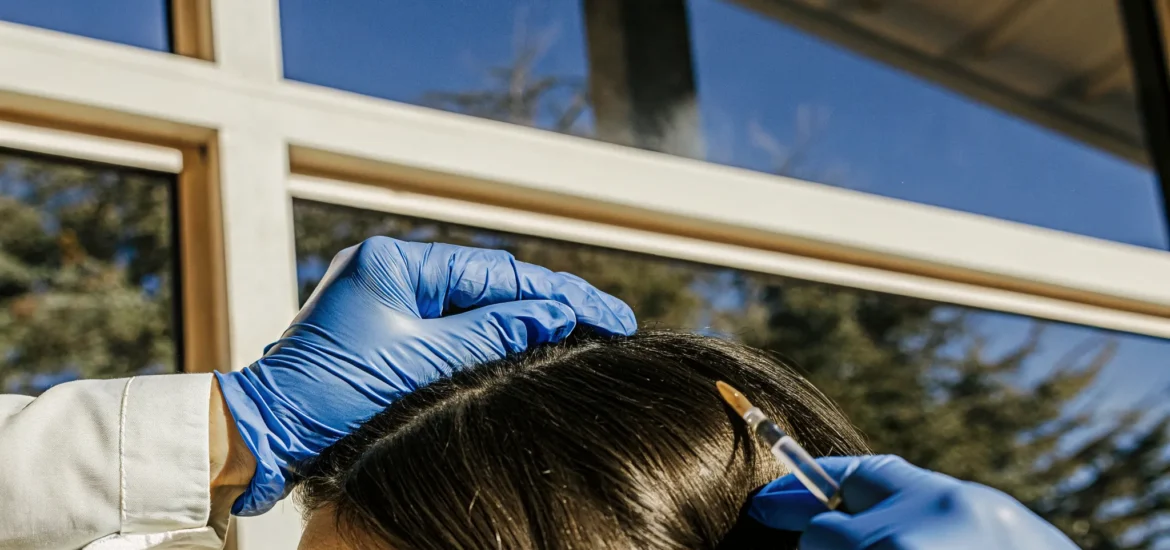
Once your personalized PRP is ready, we can begin the treatment. Using a very fine needle, our medical provider will carefully inject the PRP into the specific areas of your scalp experiencing hair thinning or loss. We target the injections at the level of the hair follicles to deliver the growth factors directly where they can make the biggest impact. Our team's expertise with precise treatments like Botox ensures this process is as quick and comfortable as possible. In some cases, we may also pair the injections with microneedling to further stimulate the scalp and enhance PRP absorption.
Step 4: Post-Treatment Care
Your role in the process doesn't end when you leave the office. Proper aftercare is key to getting the best results. We’ll ask you to avoid anti-inflammatory medications like aspirin, ibuprofen, and naproxen for about two weeks after your treatment, as they can interfere with the natural inflammatory response that PRP initiates. If you experience any minor swelling, tenderness, or bruising at the injection sites, you can use Tylenol for discomfort and apply a cold compress for short periods. There’s no major downtime, so you can return to your normal daily activities right away.
Key Benefits of PRP for Hair Restoration
When you’re exploring options for hair restoration, you want a solution that delivers real, visible results. PRP therapy stands out because it offers a multi-faceted approach to tackling hair loss. It’s not just about trying to grow new hair; it’s about creating a healthier scalp environment where your hair can truly thrive. From increasing density to reducing shedding, the benefits work together to restore not just your hair, but your confidence, too. Let’s look at what makes PRP such a compelling choice for so many people dealing with hair thinning.
Thicker, Denser Hair
One of the most exciting benefits of PRP is its proven ability to increase hair density. This isn’t just wishful thinking; clinical studies have shown that PRP can make a measurable difference. One trial found that PRP treatments significantly increased hair growth, with patients seeing an average of over 33 new hairs in the treated areas. Beyond just sprouting new strands, PRP also works to increase the thickness of your existing hair follicles. This combination of new growth and thicker individual hairs creates a powerful visual effect, leading to a fuller, denser-looking head of hair that feels healthier and more substantial.
Less Hair Shedding
Are you tired of seeing clumps of hair in your brush or clogging the shower drain? PRP can help with that, too. By injecting growth factors directly into the scalp, the treatment strengthens and revitalizes your hair follicles at the root. Healthier follicles hold onto hair more effectively, which can dramatically reduce hair shedding. Many patients notice this benefit early on in their treatment plan, giving them peace of mind as they see less hair falling out day to day. This reduction in shedding is a crucial step in tipping the scales back in favor of hair growth, allowing you to keep more of the hair you have while new strands begin to grow.
A Natural, Low-Risk Option
If you're cautious about synthetic chemicals or invasive procedures, PRP is an incredibly appealing option. The treatment uses a concentrate made from your own blood, which is why it’s considered a very safe procedure. Because the plasma comes from your own body, the risk of an allergic reaction or other adverse side effects is extremely low. You’re simply harnessing your body’s natural healing and regenerative abilities and focusing them precisely where you need them most: your scalp. This makes it a comfortable and reassuring choice for anyone seeking a more holistic approach to hair restoration.
Works Well with Other Treatments
PRP is a team player. It doesn’t have to be a standalone treatment; in fact, it often works best as part of a comprehensive hair restoration strategy. PRP can be safely and effectively combined with other proven treatments, such as topical minoxidil or oral medications, to enhance your overall results. It can also be used to support the healing process and improve the outcome of hair transplant surgery. By integrating PRP into your routine, you can create a powerful, multi-pronged approach that addresses hair loss from several angles, giving you the best possible chance for success.
Understanding the Risks and Side Effects
Any medical treatment comes with questions about safety, and it’s smart to do your research. The great news is that PRP is one of the safest options available for hair restoration because it comes from you. Since the treatment uses your own blood, the risk of an allergic reaction or your body rejecting the plasma is virtually zero. Still, like any procedure that involves injections, there are a few things to be aware of. Knowing what to expect can help you feel confident and prepared for your treatment.
Common and Mild Side Effects
The most common side effects of PRP are mild and temporary. Because the procedure involves injections into the scalp, you can expect some tenderness, soreness, or mild swelling in the treated area for a day or two. Some people also experience a feeling of "tightness" or a dull headache, but this usually fades quickly. These are all normal signs that your body is responding to the treatment and beginning its healing process. We'll give you specific aftercare instructions to help manage any discomfort and ensure you recover smoothly and quickly.
Rare but Possible Risks
While serious complications are very rare, it's important to be informed. There is a small risk of infection at the injection sites, which is true for any procedure that breaks the skin. However, this risk is minimized when your treatment is performed in a sterile environment by a trained medical professional. At a physician-led med spa, we adhere to the strictest medical standards to protect your health. Other potential but highly unlikely risks include minor bleeding or bruising. Choosing an experienced provider is the best way to ensure your safety and achieve the best possible outcome.
PRP Myths vs. Facts
Let's clear up a few things you might have heard about PRP. One common question is about FDA approval. While the equipment used to prepare PRP is FDA-approved, the use of PRP for hair growth is considered "off-label." This sounds technical, but it's a common and accepted medical practice where doctors use a safe, effective treatment for a purpose other than its original approval. Another important fact is that results aren't guaranteed for everyone, and they aren't permanent without maintenance. Your hair's response is unique, and follow-up wellness therapies and treatments are necessary to maintain your results long-term.
Breaking Down the Cost of PRP
When you’re considering any new treatment, the cost is always a big question. With Platelet-Rich Plasma (PRP) therapy, the price can vary quite a bit, so it’s helpful to understand what goes into the final number. The investment you make in PRP is not just for the product itself, but for the expertise, safety, and quality of care you receive throughout the process. Think of it as an investment in yourself and your confidence.
At Weight & Body Solutions, we believe in being completely transparent about every aspect of our treatments, including the cost. We’ll walk you through a personalized plan during your consultation so you know exactly what to expect. Our goal is to provide you with a clear path forward, ensuring you feel comfortable and informed every step of the way. Let’s break down the factors that influence pricing and what your payment options might look like.
Factors That Influence Price
The cost of a single PRP session for hair loss typically falls somewhere between $400 and $1,500. That’s a wide range, and it’s because several key factors affect the price. The type of equipment used to process your blood and concentrate the platelets plays a significant role; more advanced systems can yield better results but may increase the cost.
More importantly, the skill and experience of the provider administering the injections are crucial. An experienced, physician-led team ensures the PRP is prepared and injected correctly for maximum effectiveness and safety. When you’re looking at pricing, remember that you’re paying for a medical procedure, and the quality of care is directly linked to the quality of your results.
Does Insurance Cover PRP?
This is one of the most common questions we get, and the straightforward answer is that insurance plans almost never cover PRP for hair loss. Here’s why: while some PRP systems are FDA-cleared for other medical uses, like in orthopedics, using it for hair growth is considered an "off-label" application.
This simply means the FDA hasn't specifically approved it for hair restoration yet, even though it's widely used by medical professionals for this purpose. Because it’s classified this way, insurance companies consider it a cosmetic procedure and won’t cover the cost. We are always upfront about this so you can plan accordingly without any surprises.
Exploring Your Payment Options
While cost is an important piece of the puzzle, it shouldn’t be the only thing you consider when choosing where to get your PRP treatment. We always encourage people to select a provider based on their experience, reputation, and the quality of care they provide. Your results and your safety are what matter most, and a lower price tag can sometimes be a red flag.
During your consultation at Weight & Body Solutions, we can discuss your specific treatment plan and the associated costs. We are committed to making our services accessible and can talk through any payment options available to help you fit your hair restoration goals into your budget.
Your PRP Results: A Realistic Timeline
One of the biggest questions I get is, "When will I actually see a change?" It's completely understandable. You're investing your time and hope into this treatment, and you want to know what to expect. The journey with PRP is a marathon, not a sprint, because it works with your body's natural hair growth cycle. Let's break down a realistic timeline so you can feel confident and informed every step of the way.
When Will You See a Difference?
Patience is your best friend after a PRP treatment. While some people notice a decrease in hair shedding within a few weeks, the more visible results take a bit longer to appear. Think of it as planting seeds in a garden; they need time to sprout. You’ll likely start to see early improvements in hair texture and thickness around the three-month mark. The most significant and satisfying results, like noticeable new growth and increased density, typically become apparent between three and six months after your initial series of treatments. This is because your hair follicles are moving from a resting phase to an active growth phase, and that process simply takes time.
How Long Do PRP Results Last?
Once you achieve those beautiful results, you’ll naturally want to keep them. The effects of PRP for hair loss are long-lasting but not permanent. Most people find their results last for about 12 to 18 months, and sometimes even up to two years. Because PRP stimulates your existing hair follicles rather than changing your genetic predisposition for hair loss, the underlying cause will eventually resurface without maintenance. To keep your hair looking its best, we’ll create a long-term maintenance plan tailored to you. This usually involves follow-up treatments once or twice a year to maintain the health of your hair follicles and sustain the growth you’ve achieved.
Why Your Results Are Unique
No two people have the exact same PRP journey, and that’s because the treatment is completely personalized. Since PRP uses the healing properties of your own blood, your results depend on your body's unique biological makeup. The concentration of the powerful growth factors in your plasma, your age, genetics, and overall health all play a role in your outcome. The specific type and extent of your hair loss also influence your results. This is why a one-on-one consultation is so important. It allows us to assess your specific situation and give you a clear picture of what PRP can do for you.
Setting Realistic Goals for Your Hair
It’s important to remember that PRP is an incredible tool for treating the symptom (which is hair thinning), but it doesn't always cure the root cause. For many, hair loss is linked to underlying factors like hormonal imbalances. That's why a comprehensive approach is often the most effective. We can explore whether treatments like HRT for women could complement your hair restoration plan. The goal of PRP is significant improvement, not impossible perfection. Success means achieving visibly thicker, fuller hair and a major reduction in shedding. It’s about restoring your hair's vitality and your confidence along with it.
How Often Will You Need PRP Treatments?
PRP for hair loss is a process, not a single event. To get the thicker, fuller hair you’re looking for, consistency is key. Think of it like starting a new fitness routine; you need a solid plan to get results and a maintenance strategy to keep them. Your treatment schedule will be designed to first activate your hair follicles and then provide ongoing support to maintain that new growth. While every plan is customized to your specific needs, most people follow a similar path to achieve and sustain their results. This approach ensures your hair gets the continued stimulation it needs to thrive.
The Initial Treatment Plan
Your journey with PRP will likely begin with a series of treatments to jumpstart the rejuvenation process. A common and effective approach involves one session a month for the first three months. This initial phase is crucial because it builds momentum, saturating the scalp with growth factors to awaken dormant hair follicles and encourage new, healthy strands to grow. We create a hair restoration plan that is tailored to your unique pattern of hair loss and your ultimate goals. This concentrated start helps establish a strong foundation for the long-term results you want to see.
Long-Term Maintenance Schedule
After your initial series of treatments, the focus shifts to maintaining your beautiful results. To keep your hair follicles stimulated and your hair looking its best, we typically recommend follow-up or "booster" sessions every three to six months. The effects of your initial treatments can last a long time, often between 12 and 18 months, but these maintenance appointments are what make the results sustainable. Without them, the natural hair loss cycle could resume. Regular maintenance ensures your investment continues to pay off, keeping your hair thicker and healthier for years to come. You can learn more about our approach to PRP for hair loss and what a long-term plan could look like for you.
Find Out if PRP Is Right for You
While PRP is an exciting option for hair restoration, it’s not a universal solution for every type of hair loss. The best way to determine if it will work for you is to have a professional assess your specific situation. Generally, PRP is most effective for individuals with thinning hair or those who have started to notice hair loss recently. It works by stimulating weakened or dormant hair follicles, so it’s less likely to be effective for areas that are completely bald.
It’s also important to understand the root cause of your hair loss. PRP treats the symptom, which is the thinning hair itself, but for lasting results, you need to address any underlying issues. Hair loss can be triggered by genetics, stress, or hormonal imbalances. That’s why a comprehensive, physician-led plan is so valuable. We can help you identify the cause and create a holistic strategy that might include PRP alongside other treatments.
One of the biggest advantages of PRP is its excellent safety profile. Because the treatment uses a concentrate derived from your own blood, the risk of an allergic reaction or adverse side effects is extremely low. It also works well as part of a larger treatment plan. For many people, combining PRP with other therapies, such as hormone replacement therapy or specific medications, can produce even better results. The first step is a simple conversation to explore your health, hair loss pattern, and goals to see if PRP is the right fit for your journey.
Related Articles
- FUE Hair Transplant Tampa | NeoGraft® | Weight & Body
- Weight Loss & Aesthetics Med Spa in Tampa, FL | Weight & Body Solutions
- Plasma BioFillers Tampa | Natural Filler Alternative
- Peptides Archives – Weight & Body Solutions
- Dermal Fillers After Weight Loss: Restore Facial Volume
Frequently Asked Questions
Does the PRP injection process hurt? This is a very common question, and I get it, nobody loves needles. The good news is that we use a very fine needle for the injections, and the process is quite fast. Most people describe the feeling as a series of quick pinches or a mild stinging sensation. Your comfort is our priority, and while you might feel some tenderness on your scalp afterward, the treatment itself is generally very tolerable.
Is there any downtime after a PRP treatment? You can get right back to your day after your appointment, which is one of the best parts of this treatment. There is no major downtime required. We do ask that you follow a few simple guidelines, like avoiding strenuous exercise, saunas, and certain anti-inflammatory medications for a day or two. This helps ensure your body's natural healing process can work its magic without interference.
Are the results from PRP permanent? PRP provides long-lasting results, but they are not permanent. The treatment works by stimulating your hair follicles, but it doesn't change your genetic or hormonal predisposition to hair loss. Most people enjoy their results for 12 to 18 months. To keep your hair looking thick and healthy, we recommend a maintenance plan with follow-up treatments once or twice a year.
Why do I need multiple treatments? Can't I just get one? Think of it like starting a new workout plan. One session is a good start, but you need consistency to see real, lasting change. The initial series of treatments, usually spaced a month apart, acts as a "loading phase." This approach ensures we awaken as many dormant follicles as possible and build momentum for significant growth. A single treatment just can't create the same powerful, cumulative effect.
How do I know if my hair loss is the right type for PRP? The best way to know for sure is to have a conversation with a medical professional. While PRP is fantastic for thinning hair and early-stage loss, its effectiveness depends on your specific situation. During a consultation, we can examine your scalp, discuss your health history, and determine the root cause of your hair loss. This allows us to confirm if you're a great candidate for PRP or if another approach would give you better results.